
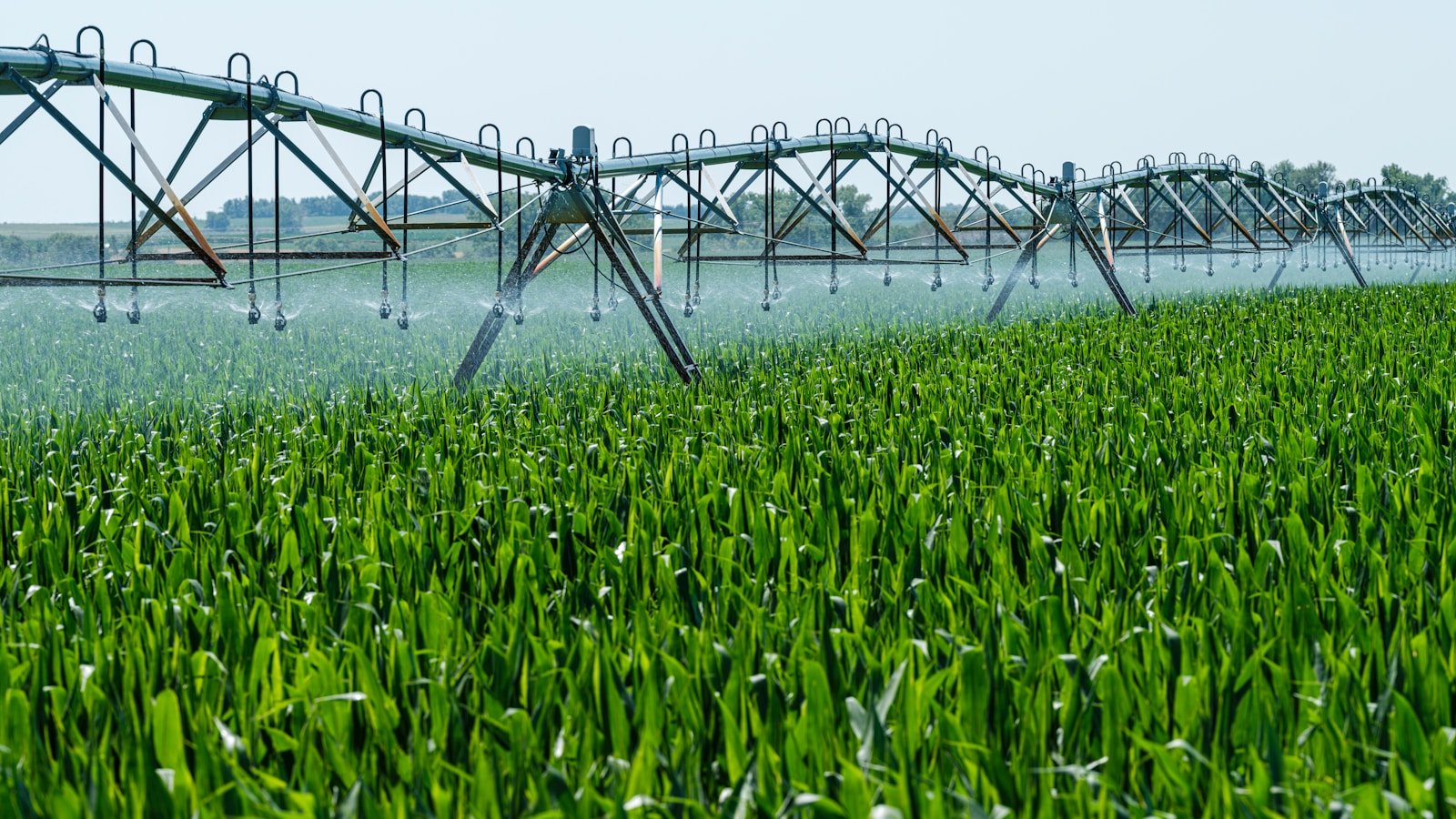
In the relentless pursuit of maximizing crop yields and protecting our agricultural bounty, the use of pesticides has become a ubiquitous practice. However, lurking beneath the perceived benefits of these chemical compounds lies a hidden menace that threatens not only the environment but also our health and well-being. Today we aim to shed light on the dangers of pesticides, exploring their widespread use, potential risks, and the urgent need for a more sustainable approach to food production.
According to the United Nations Food and Agriculture Organization (FAO), the global use of pesticides has risen by nearly 80% over the past two decades, with an estimated 4 million tons of pesticides being applied annually. While these chemicals undoubtedly play a role in protecting crops from pests and diseases, their indiscriminate use has raised alarming concerns about their impact on human health, biodiversity, and the delicate balance of ecosystems.
Table of Contents
Pesticides are chemical substances designed to control, repel, or eliminate pests, including insects, weeds, fungi, and other organisms that can harm crops, livestock, or human health. They can be classified into various categories based on their target organisms, such as insecticides, herbicides, fungicides, and rodenticides. While some pesticides are derived from natural sources, the majority are synthetic compounds created through chemical synthesis. These chemicals are designed to interfere with the biological processes of target organisms, often disrupting their reproduction, growth, or survival. The use of pesticides has become a global phenomenon, driven by the increasing demand for food production and the desire to protect crops from pests and diseases. Pesticides are widely used in various sectors, including: Despite their widespread use, the potential risks associated with pesticides have raised concerns among scientists, environmentalists, and public health advocates. Exposure to pesticides can have severe consequences for human health, with both acute and chronic effects documented. Some potential health impacts include: Acute exposure to high levels of pesticides can lead to immediate and severe health effects, such as nausea, dizziness, respiratory distress, and even death in extreme cases. Agricultural workers and those living near heavily sprayed areas are at particular risk of acute poisoning. Long-term, low-level exposure to pesticides has been linked to a range of chronic health problems, including cancer, reproductive disorders, endocrine disruption, neurological damage, and developmental issues in children. Several pesticides have been identified as potential endocrine disruptors, capable of interfering with hormonal systems and potentially leading to infertility, birth defects, and developmental delays in children. Inhalation of pesticide fumes or exposure to pesticide residues can contribute to respiratory issues, such as asthma, bronchitis, and lung cancer. Beyond their impact on human health, pesticides pose significant threats to the environment and ecological systems. Some of the environmental consequences include: Pesticides can accumulate in the soil, disrupting the delicate balance of soil ecosystems and potentially contaminating groundwater sources. Runoff from agricultural fields and improper disposal of pesticides can lead to the contamination of surface water bodies, posing risks to aquatic life and human health. Pesticides can have unintended consequences, harming non-target organisms such as beneficial insects, birds, and other wildlife, leading to a decline in biodiversity and disrupting delicate food chains. Overuse and misuse of pesticides can lead to the development of resistant pests, requiring the use of stronger and potentially more harmful chemicals, creating a vicious cycle. Numerous studies have been conducted to investigate the impact of pesticides on human health and the environment, with concerning findings: A study published in the journal Environmental Health Perspectives found an association between prenatal exposure to certain pesticides and an increased risk of childhood leukemia and brain tumors. Researchers at the University of California, San Francisco, discovered that exposure to organophosphate pesticides during pregnancy was linked to lower IQ scores and increased attention problems in children. A study conducted by the United States Geological Survey (USGS) detected pesticide compounds in over 90% of urban streams sampled, indicating widespread water contamination. The International Agency for Research on Cancer (IARC) has classified several commonly used pesticides, such as malathion and glyphosate, as potentially carcinogenic to humans. These findings underscore the need for continued research, monitoring, and implementation of safer and more sustainable practices in agriculture and pest management. While the complete elimination of pesticides may not be feasible in the current agricultural landscape, there are strategies and approaches that can help reduce our reliance on these harmful chemicals: IPM is an ecosystem-based approach that combines biological, cultural, and chemical control methods to minimize the use of pesticides while still protecting crops from pests. This includes strategies such as crop rotation, natural predators, and targeted applications. Organic farming practices rely on natural methods of pest control, such as crop rotation, biological controls, and the use of organic fertilizers and amendments, without the use of synthetic pesticides. By leveraging modern technologies like GPS, sensors, and data analytics, precision agriculture aims to optimize the use of inputs, including pesticides, by applying them only when and where they are needed, reducing waste and environmental impact. Stricter regulations and policies governing the use, application, and disposal of pesticides can help mitigate their negative impacts. This includes banning or restricting the use of the most harmful compounds and implementing strict monitoring and enforcement measures. Educating consumers about the potential dangers of pesticides and promoting the demand for sustainable and organic agricultural products can create market incentives for farmers to adopt safer practices.In-depth Exploration
What are Pesticides?
Widespread Use of Pesticides
Health Impacts of Pesticides
Acute Toxicity
Chronic Toxicity
Reproductive and Developmental Effects
Respiratory Problems
Environmental Consequences of Pesticides
Soil Contamination
Water Pollution
Biodiversity Loss
Resistance and Resilience
Research Findings on Pesticides
Reducing Pesticide Reliance
Integrated Pest Management (IPM)
Organic Farming
Precision Agriculture
Regulatory Measures
Consumer Education and Demand

For those interested in learning more about pesticides and their impact, here are some recommended resources: No, the level of harm posed by pesticides can vary depending on their chemical composition, mode of action, and exposure levels. Some pesticides are considered more toxic and persistent than others. While washing and peeling can remove some pesticide residues from produce, it is not a foolproof method. Organic or locally grown produce from trusted sources can help minimize exposure to pesticide residues. Yes, there are several alternatives to synthetic pesticides, including biopesticides derived from natural sources, beneficial insects and microorganisms, crop rotation, and mechanical or physical controls.Additional Resources and Further Reading
Frequently Asked Questions
Are all pesticides equally harmful?
Can pesticide residues be removed from food?
Are there alternatives to conventional pesticides?
Practical Tips and Actionable Advice
While addressing the issue of pesticide overuse and misuse requires collective action from various stakeholders, individuals can take practical steps to reduce their exposure and contribute to a more sustainable future:
-
Choose Organic and Locally Grown Produce
When possible, opt for organic produce or locally grown fruits and vegetables from trusted sources. Organic farming practices minimize or eliminate the use of synthetic pesticides, reducing your exposure to harmful chemicals.
-
Wash and Peel Produce
While not a foolproof method, washing and peeling produce can help remove some pesticide residues from the surface. Use a vegetable brush and cold water to thoroughly clean fruits and vegetables before consumption.
-
Grow Your Own Food
Consider starting your own garden or participating in community gardens, where you have control over the growing methods and can avoid the use of pesticides. This not only reduces your exposure but also promotes a more sustainable lifestyle.
-
Support Sustainable Agriculture Initiatives
Support local farmers, organizations, and initiatives that promote sustainable and eco-friendly agricultural practices, such as organic farming, integrated pest management, and responsible pesticide use.
-
Advocate for Policy Changes
Engage with policymakers, elected officials, and advocacy groups to push for stricter regulations on pesticide use, increased research into safer alternatives, and greater transparency about the chemicals used in food production.
By taking these practical steps and raising awareness about the dangers of pesticides, we can collectively work towards a more sustainable and healthier future for ourselves and the planet.
Conclusion
The widespread use of pesticides has undoubtedly contributed to increased agricultural productivity and food security, but at what cost? The potential dangers posed by these chemical compounds to human health and the environment are too grave to be ignored. From acute poisoning to long-term chronic effects, such as cancer, reproductive disorders, and neurological damage, the risks associated with pesticide exposure demand our immediate attention and action.
Moreover, the environmental consequences of pesticide use are equally alarming. Soil and water contamination, biodiversity loss, and the development of resistant pests threaten the delicate balance of ecosystems, jeopardizing the long-term sustainability of our food production systems.
While the complete elimination of pesticides may not be realistic in the current agricultural landscape, we must strive to reduce our reliance on these harmful chemicals. Embracing integrated pest management, organic farming practices, precision agriculture, and stricter regulatory measures can pave the way for a more sustainable and responsible approach to food production.
However, true progress will require a collective effort from all stakeholders – farmers, policymakers, researchers, and consumers alike. By making conscious choices, supporting sustainable initiatives, and advocating for policy changes, we can create a ripple effect that drives the transition towards safer and more environmentally friendly alternatives.
Remember, every small step counts. By choosing organic or locally grown produce, washing and peeling our fruits and vegetables, and supporting sustainable agriculture, we can reduce our exposure to pesticides and contribute to a healthier future for ourselves and the planet.
The time to act is now. Let us embrace the knowledge and tools at our disposal to combat the hidden menace of pesticides, ensuring a vibrant and thriving ecosystem for generations to come. Together, we can cultivate a future where our food nourishes our bodies without compromising our well-being or the health of our environment.
Leave a Reply