
Introduction
Processed foods have become a convenient and readily available option for many people. However, the impact of these foods on our health has become a topic of concern and debate. This blog post aims to delve into the world of processed foods, exploring their effects on our overall well-being, and providing readers with a comprehensive understanding of this critical issue.
According to the Centers for Disease Control and Prevention (CDC), approximately 60% of the American diet consists of processed foods. This staggering statistic highlights the prevalence of these products in our daily lives, making it imperative to understand their potential consequences on our health.
Key Points to Cover
- Definition and types of processed foods
- Nutritional implications of processed foods
- Impact on chronic diseases
- Relationship with obesity and weight management
- Additives and preservatives in processed foods
- Alternatives and healthier options
In-depth Exploration of Each Key Point
1. Definition and Types of Processed Foods
Before delving into the impact of processed foods, it’s essential to define what they are. Processed foods are foods that have undergone various processes to enhance their shelf life, flavor, or convenience. These processes can range from minimal processing, such as freezing or drying, to more extensive processing involving the addition of preservatives, artificial colors, and flavors.
Processed foods can be categorized into various types based on the level of processing involved:
- Minimally processed foods: These include foods that have undergone minimal processing, such as freezing, drying, or fermentation.
- Processed culinary ingredients: These are processed foods used in cooking or food preparation, such as oils, fats, and sauces.
- Processed foods: These are foods that have undergone more extensive processing, often involving the addition of preservatives, artificial colors, and flavors.
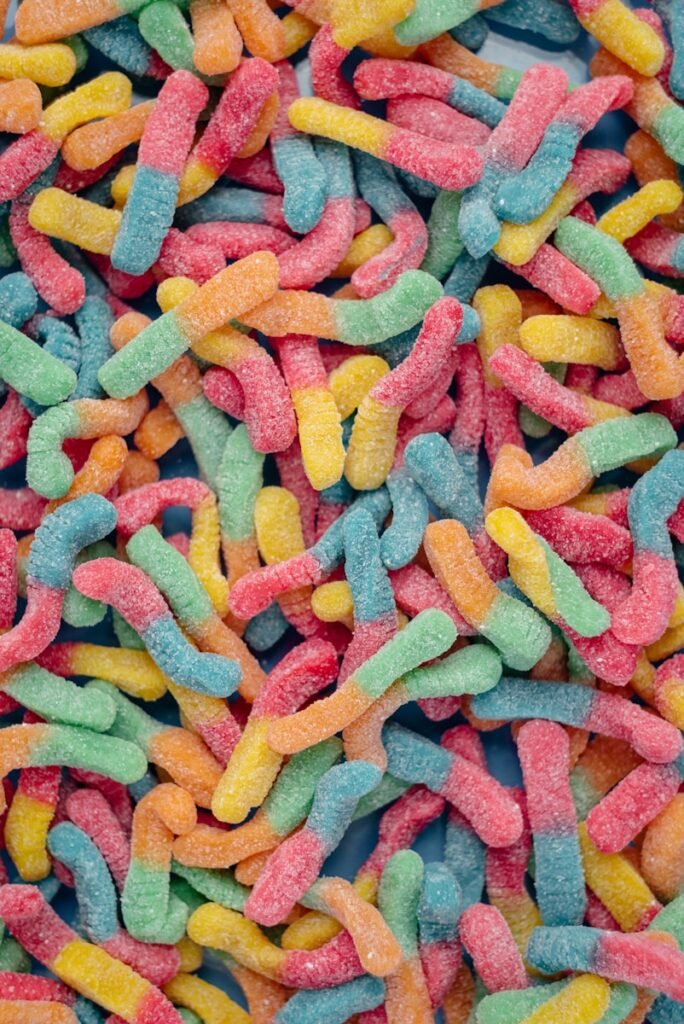
- Ultra-processed foods: These are highly processed foods that contain little or no whole foods and are typically high in added sugars, salt, and unhealthy fats.
2. Nutritional Implications of Processed Foods
Processed foods often undergo significant alterations in their nutritional composition during the manufacturing process. Many of these foods are high in added sugars, sodium, and unhealthy fats, while lacking essential nutrients like fiber, vitamins, and minerals.
A study published in the British Medical Journal found that a higher intake of ultra-processed foods was associated with a higher risk of cardiovascular disease and mortality. Additionally, these foods have been linked to an increased risk of obesity, type 2 diabetes, and other chronic conditions.
3. Impact on Chronic Diseases
The consumption of processed foods has been linked to an increased risk of various chronic diseases. Here are some of the potential impacts:
- Cardiovascular disease: Processed foods are often high in sodium, saturated fats, and trans fats, which can contribute to the development of heart disease, stroke, and other cardiovascular problems.
- Type 2 diabetes: The high sugar and refined carbohydrate content in many processed foods can lead to insulin resistance and an increased risk of developing type 2 diabetes.
- Cancer: Some studies have suggested a potential link between the consumption of processed meats and an increased risk of certain types of cancer, such as colorectal cancer.
4. Relationship with Obesity and Weight Management
Processed foods, particularly ultra-processed foods, are often energy-dense and nutrient-poor, which can contribute to weight gain and obesity. Several factors contribute to this relationship:
- High calorie content: Many processed foods are high in calories, often due to their high levels of added sugars, fats, and refined carbohydrates.
- Low satiety: Processed foods tend to be less satiating than whole, unprocessed foods, which can lead to overconsumption.
- Addictive properties: Some studies suggest that processed foods may have addictive qualities, making it challenging to control their consumption.
5. Additives and Preservatives in Processed Foods
Processed foods often contain various additives and preservatives to enhance their shelf life, appearance, and flavor. While some of these substances are considered safe for consumption, others have raised concerns regarding their potential health effects:
- Artificial colors: Some artificial colors have been linked to hyperactivity and other behavioral issues in children.
- Preservatives: Certain preservatives, such as sodium nitrite found in processed meats, have been associated with an increased risk of certain cancers.
- Emulsifiers: Emulsifiers, used to improve texture and extend shelf life, have been linked to gut dysbiosis and inflammation in animal studies.
6. Alternatives and Healthier Foods
While processed foods are widely available and convenient, there are healthier alternatives that can be incorporated into a balanced diet:
- Whole, unprocessed foods: Focusing on whole, minimally processed foods like fruits, vegetables, whole grains, lean proteins, and healthy fats can provide a nutrient-dense and satisfying diet.
- Home-cooked meals: Preparing meals at home using fresh, whole ingredients allows for greater control over the ingredients and preparation methods.
- Mindful reading of labels: When purchasing processed foods, carefully reading and understanding nutrition labels can help identify healthier options with fewer additives and preservatives.
Practical Tips and Actionable Advice
Here are some practical tips and actionable advice to help you minimize the consumption of processed foods and improve your overall health:
- Read labels carefully: When shopping, take the time to read nutrition labels and ingredient lists. Avoid foods with long lists of unfamiliar or hard-to-pronounce ingredients.
- Plan meals ahead: Meal planning and preparation can help you avoid relying on processed foods for convenience. Cook in bulk and freeze portions for busy days.
- Pack snacks and meals: Bring healthy snacks and meals to work or school to avoid the temptation of buying processed foods on the go.
- Gradually transition: If you’re accustomed to consuming processed foods, make a gradual transition towards healthier alternatives to avoid feeling overwhelmed or deprived.
- Involve the whole family: Make healthy eating a family affair by involving everyone in meal planning, grocery shopping, and cooking.
Conclusion
The impact of processed foods on our health is a complex and multifaceted issue. While processed foods offer convenience and taste appeal, their consumption has been linked to various health concerns, including chronic diseases, obesity, and nutrient deficiencies.
By understanding the types of processed foods, their nutritional implications, and their potential health effects, we can make more informed choices about our dietary habits. Embracing whole, minimally processed foods and adopting practical strategies to reduce our reliance on processed options can have significant positive impacts on our overall well-being.
Remember, small changes can lead to big differences. By making conscious decisions and gradually incorporating healthier alternatives into our diets, we can take control of our health and pave the way for a more vibrant and fulfilling life.
Leave a Reply