
Introduction
Maintaining a strong and resilient immune system has become increasingly important. Our immune system is our body’s defense mechanism against harmful pathogens, viruses, and diseases. However, factors such as stress, poor diet, and lack of exercise can weaken its ability to protect us effectively.
While there are no guaranteed ways to prevent illness entirely, a balanced and nutrient-rich diet can play a crucial role in supporting and strengthening your immune system’s function. According to a study published in the British Journal of Nutrition, individuals who consume a diet rich in fruits and vegetables have a lower risk of developing various chronic diseases, partly due to the beneficial effects on the immune system.
Key Points to Cover
The Basics of the Immune System
The immune system is a complex network of cells, tissues, and organs that work together to protect the body from harmful invaders such as viruses, bacteria, and other pathogens. It consists of two main components: the innate immune system and the adaptive immune system.
The innate immune system is the body’s first line of defense and includes physical barriers like the skin and mucous membranes, as well as specialized cells like white blood cells and antibodies. The adaptive immune system, on the other hand, is more specific and targeted, and it learns to recognize and remember specific pathogens, allowing for a quicker and more effective response upon subsequent encounters.
The Role of Nutrition in Immune System Function
Proper nutrition plays a vital role in supporting the immune system’s function. Certain nutrients, vitamins, and minerals are essential for the growth, development, and activation of immune cells, as well as the production of antibodies and other immune substances.
Nutrient Boosters for a Stronger Immune System
Several key nutrients have been identified as particularly beneficial for supporting and enhancing immune system function. These include:
- Vitamin C: A powerful antioxidant that supports the growth and function of immune cells.
- Vitamin D: Plays a crucial role in regulating immune responses and reducing inflammation.
- Zinc: Essential for the development and function of immune cells, including T-cells and natural killer cells.
- Vitamin E: An antioxidant that helps protect immune cells from oxidative stress.
- Omega-3 Fatty Acids: Have anti-inflammatory properties and support immune cell function.
The Benefits of a Balanced Nutrient Intake
While specific nutrients are crucial for immune system function, it’s important to maintain a balanced and diverse diet to ensure you’re getting a wide range of essential vitamins, minerals, and other beneficial compounds.

Immune-Boosting Foods to Include in Your Diet
Incorporating a variety of nutrient-dense foods into your diet can provide your body with the essential building blocks for a strong and resilient immune system. Here are some excellent choices to consider:
- Citrus Fruits: Rich in vitamin C, which supports the production of white blood cells and antibodies.
- Leafy Greens: Packed with vitamins A, C, and E, as well as antioxidants that help protect immune cells.
- Yogurt: Contains probiotics that support a healthy gut microbiome, which plays a vital role in immune function.
- Garlic: Has antiviral, antibacterial, and anti-inflammatory properties that can boost immune cell function.
- Fatty Fish: A rich source of omega-3 fatty acids, which can reduce inflammation and support immune cell activity.
The Power of a Plant-Based Diet
Many experts recommend incorporating more plant-based foods into your diet, as they are rich in fiber, antioxidants, and other beneficial compounds that can support immune system function. Consider adding more fruits, vegetables, whole grains, legumes, nuts, and seeds to your meals.
Lifestyle Factors That Impact the Immune System
While diet plays a crucial role in supporting immune system function, it’s important to recognize that other lifestyle factors can also influence your body’s ability to fight off infections and diseases. These include:
- Exercise: Regular physical activity can help reduce inflammation, promote healthy circulation, and support immune cell function.
- Sleep: Adequate sleep is essential for immune system regeneration and repair, as well as the production of cytokines, which are proteins that regulate immune responses.
- Stress Management: Chronic stress can suppress immune system function, making it more difficult for the body to fight off infections and diseases.
- Avoiding Harmful Substances: Smoking, excessive alcohol consumption, and exposure to environmental toxins can all negatively impact immune system function.
The Importance of a Holistic Approach
For optimal immune system health, it’s crucial to adopt a holistic approach that combines a nutrient-rich diet with regular exercise, stress management techniques, and other healthy lifestyle habits.
Practical Tips for Boosting Your Immune System Through Diet
-
Eat a Rainbow of Fruits and Vegetables
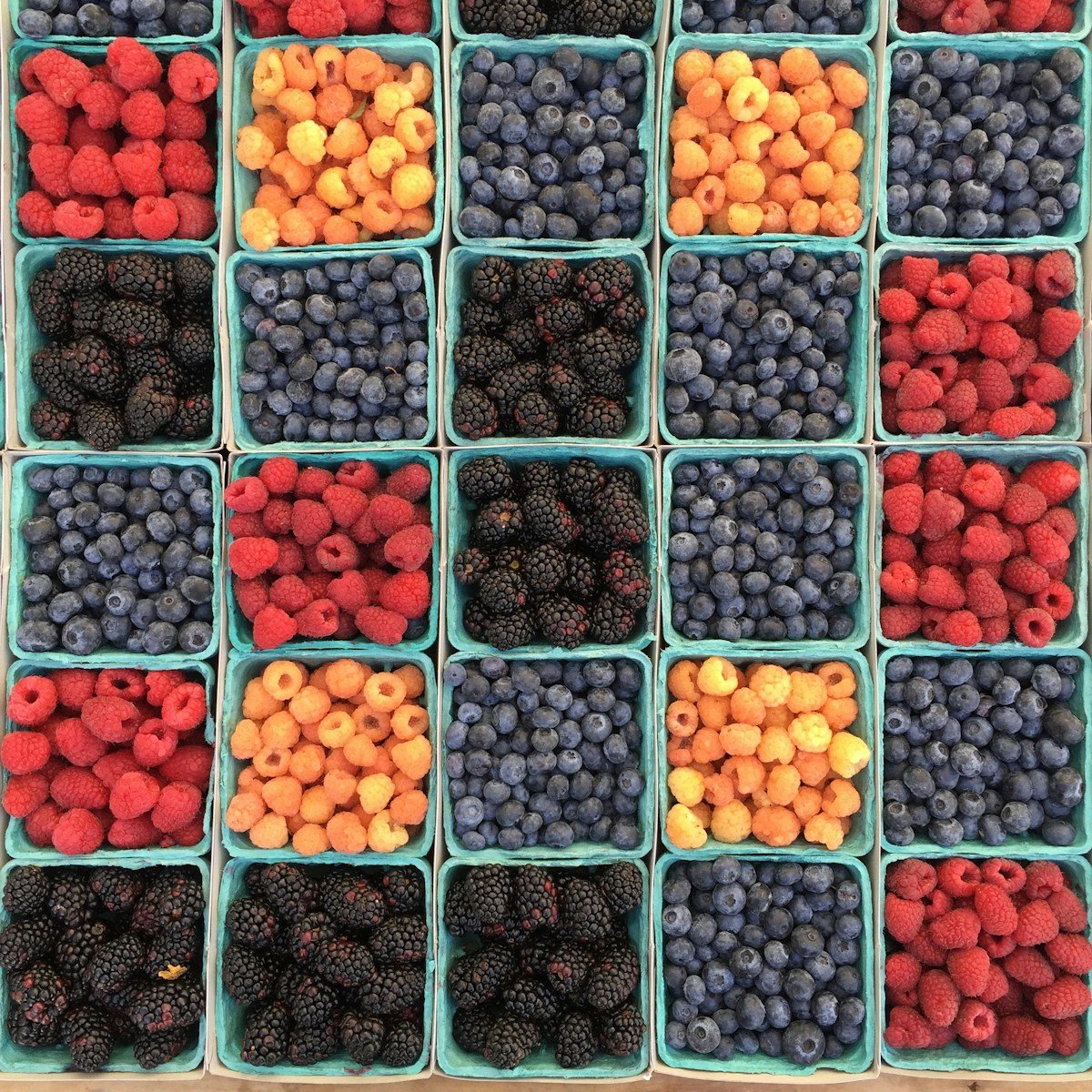
Aim to include a variety of colorful fruits and vegetables in your diet, as each color represents different beneficial plant compounds and antioxidants.
-
Incorporate Probiotic-Rich Foods
Include probiotic-rich foods like yogurt, kefir, sauerkraut, and fermented vegetables in your diet to support a healthy gut microbiome and immune system function.
-
Prioritize Lean Protein Sources
Lean protein sources, such as chicken, fish, legumes, and nuts, provide the amino acids necessary for immune cell production and repair.
-
Stay Hydrated
Drinking plenty of water and staying hydrated can support the production and movement of immune cells throughout the body.
-
Consider Supplements Wisely
While a balanced diet should provide most of the necessary nutrients, certain supplements like vitamin C, vitamin D, and zinc can be beneficial if you have deficiencies. Consult with a healthcare professional before starting any new supplement regimen.
Additional Resources and Further Reading
Conclusion
A strong and resilient immune system is essential for overall health and well-being. By incorporating nutrient-rich foods into your diet and adopting a holistic approach to lifestyle habits, you can provide your body with the necessary building blocks to support optimal immune system function.
Remember, boosting your immune system through diet is not a one-size-fits-all approach. It’s essential to listen to your body’s needs, consult with healthcare professionals if necessary, and make gradual, sustainable changes that work best for you.
Take the first step towards a stronger immune system today by incorporating some of the tips and strategies outlined in this article. Your body will thank you for prioritizing its defense mechanisms against illness and disease.
Leave a Reply