
Introduction
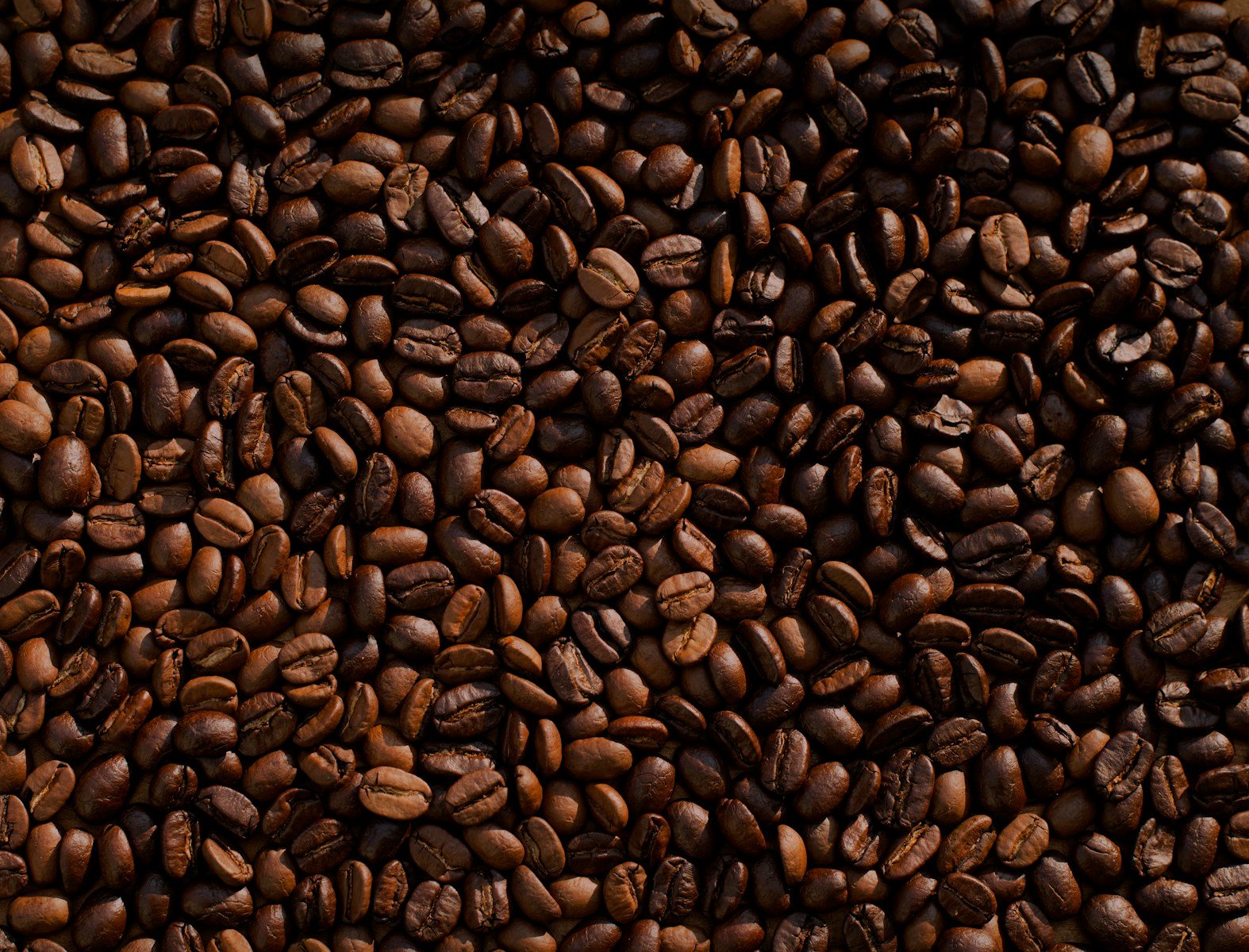
Coffee is more than just a drink; it’s a global phenomenon that has captivated cultures and societies for centuries. From its humble beginnings in the ancient coffee forests of Ethiopia to its present-day dominance as a beloved beverage, coffee has woven itself into the fabric of our daily lives. Whether you’re a casual sipper or a die-hard enthusiast, the world of coffee is a rich tapestry of history, flavors, and traditions.
According to the International Coffee Organization, coffee is the second most traded commodity worldwide, after oil. With over 2.25 billion cups consumed daily, coffee has become an integral part of countless morning routines and social gatherings around the globe.
Key Points to Cover
The Fascinating History of Coffee
The journey of coffee began in the ancient coffee forests of the Ethiopian Plateau, where legend has it that a goat herder named Kaldi discovered the energizing effects of coffee beans after his goats consumed them. From these humble beginnings, coffee cultivation and trade spread throughout the Arabian Peninsula, eventually reaching Europe and the rest of the world.
Coffee’s Expansion and Influence
Coffee played a significant role in shaping societies and cultures, from the coffee houses of 17th-century Europe, where intellectuals gathered to debate ideas, to the coffee shops of modern times, which serve as social hubs and workspaces. As coffee spread across continents, it adapted to local tastes and traditions, giving rise to a diverse array of brewing methods and flavor profiles.
The World of Coffee Varieties
The coffee plant, known as Coffea, boasts numerous species and varieties, each with its unique characteristics and flavor profiles. The two most widely cultivated and consumed varieties are Arabica and Robusta.
Arabica Coffee
Originating from the southwestern highlands of Ethiopia, Arabica coffee is prized for its complex flavors, ranging from fruity and floral notes to rich and chocolatey undertones. Arabica accounts for approximately 60% of global coffee production and is generally considered to be of higher quality than Robusta.
Robusta Coffee
Robusta coffee, as the name implies, is a hardier and more resilient variety, grown primarily in Africa, Southeast Asia, and Brazil. It has a higher caffeine content and a more robust, sometimes even bitter, flavor profile. Robusta is often used in blends or as a base for espresso due to its ability to produce a thick, rich crema.
Coffee Preparation Methods
From the humble drip coffee maker to the intricate art of espresso extraction, there are numerous methods for preparing coffee. Each method brings out unique flavors and characteristics, catering to different preferences and cultural traditions.
Brewing Methods
Some popular brewing methods include:
- Drip Coffee: A simple yet effective method involving hot water passing through ground coffee beans.
- Pour Over: A manual brewing technique that allows for precise control over the extraction process.
- French Press: A method that fully immerses the coffee grounds in hot water, resulting in a rich and full-bodied brew.
- Espresso: A concentrated shot of coffee brewed by forcing hot water through finely-ground coffee beans under high pressure.

Coffee Culture Around the Globe
Coffee has transcended its role as a mere beverage and has become an integral part of cultural traditions and social rituals worldwide. From the traditional coffee ceremonies of Ethiopia and Turkey to the modern-day coffee shop experiences, coffee serves as a catalyst for human connection and cultural exchange.
Coffee and Cafe Culture
In many cities across the globe, coffee shops have become gathering places for people to socialize, work, or simply enjoy a moment of respite. These spaces have fostered a vibrant cafe culture, where coffee is not just a drink but an experience shared with others.
The Health Benefits of Coffee
Beyond its rich flavors and cultural significance, coffee has been the subject of numerous studies investigating its potential health benefits. While moderation is key, research suggests that coffee may offer several advantages:
- Improved cognitive function and alertness due to its caffeine content.
- Reduced risk of certain chronic diseases, such as type 2 diabetes and Parkinson’s disease, thanks to its antioxidant properties.
- Potential protection against liver disease and certain types of cancer.
Coffee and Mindful Consumption
It’s important to note that individual responses to coffee may vary, and excessive consumption can lead to adverse effects like anxiety, insomnia, and digestive issues. As with any food or beverage, moderation and mindful consumption are key to enjoying the potential benefits of coffee.
Additional Resources and Further Reading
Practical Tips and Actionable Advice
-
Experiment with Different Coffee Varieties
Expand your coffee horizons by trying different varieties, such as Arabica, Robusta, and various regional blends. Each variety offers unique flavor profiles and characteristics, allowing you to discover your personal preferences.
-
Invest in Quality Coffee Equipment
To truly appreciate the nuances of coffee, consider investing in quality brewing equipment like a gooseneck kettle, a burr grinder, and a pour-over setup or espresso machine. Proper equipment can greatly enhance the flavor and overall experience.
-
Learn Proper Brewing Techniques
Mastering brewing techniques is crucial for extracting the full flavor potential of your coffee beans. Familiarize yourself with factors like water temperature, grind size, and brew ratios to ensure consistent and delicious results.
-
Support Local Coffee Roasters and Shops
Explore your local coffee scene by supporting independent roasters and coffee shops. These establishments often offer unique blends, roasting styles, and brewing methods that can introduce you to new flavors and experiences.
-
Embrace Coffee as a Social Experience
Coffee has a rich tradition of bringing people together. Invite friends or colleagues to join you for a coffee date, or visit a local cafe to immerse yourself in the vibrant coffee culture of your community.
Conclusion
Coffee is a truly remarkable beverage that has captivated cultures and societies for centuries. From its humble beginnings in the ancient coffee forests of Ethiopia to its modern-day status as a global phenomenon, coffee has woven itself into the fabric of our daily lives, transcending its role as a mere drink.
Whether you’re a casual sipper or a die-hard enthusiast, the world of coffee offers a rich tapestry of history, flavors, and traditions to explore. Embrace the diversity of coffee varieties, experiment with different brewing methods, and immerse yourself in the vibrant coffee culture that exists in every corner of the globe.
So, the next time you savor that aromatic cup of coffee, take a moment to appreciate the incredible journey it has taken to reach your hands. And remember, the world of coffee is vast and ever-evolving, waiting to be discovered one sip at a time.
Leave a Reply