
Diets and health trends come and go, intermittent fasting has emerged as a powerful tool for achieving a variety of health benefits. This practice of alternating between periods of eating and fasting has garnered significant attention from researchers, health enthusiasts, and individuals seeking to optimize their well-being.
The popularity of intermittent fasting is undeniable. According to a survey conducted by the International Food Information Council Foundation, nearly one in four Americans reported trying intermittent fasting in 2020. This surge in interest is driven by the potential benefits associated with this approach, including weight loss, improved metabolic health, and enhanced cognitive function.
Key Points to Cover
In this comprehensive guide, we will explore the following key aspects of intermittent fasting:
- What is Intermittent Fasting?
- Types of Intermittent Fasting
- Benefits of Intermittent Fasting
- Potential Risks and Considerations
- How to Start Intermittent Fasting
- Tips for Successful Intermittent Fasting
Each section will provide in-depth explanations, scientific evidence, and practical insights to help you understand and implement intermittent fasting effectively.
1. What is Intermittent Fasting?
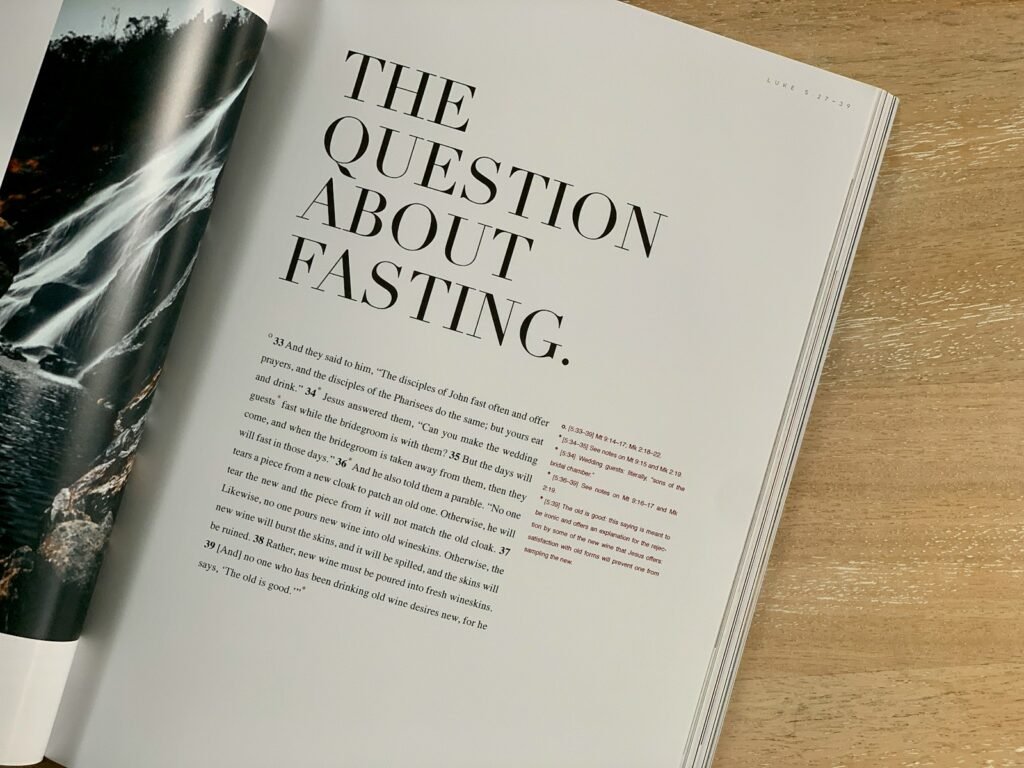
Intermittent fasting (IF) is an eating pattern that involves alternating periods of fasting and eating. It does not necessarily dictate which foods you should eat but rather focuses on when you should eat them. During the fasting periods, you either consume no calories or a very limited number of calories, typically from non-caloric beverages like water, black coffee, or unsweetened tea.
Unlike traditional diets that restrict calorie intake or food groups, intermittent fasting schedules the timing of your meals, allowing you to consume your regular diet during the designated eating periods.
2. Types of Intermittent Fasting
There are several popular methods of intermittent fasting, each with its own schedule and approach. Here are some of the most common types:
- 16/8 Method: This involves fasting for 16 hours and consuming all your daily calories within an 8-hour eating window. For example, you might eat between 12 PM and 8 PM and fast for the remaining 16 hours.
- 5:2 Diet: With this method, you eat normally for five days a week and restrict your calorie intake to around 500-600 calories on the remaining two non-consecutive days.
- Eat Stop Eat: This approach involves a 24-hour fast, either once or twice a week, where you abstain from eating for an entire day.
- Alternate Day Fasting: As the name suggests, this method involves alternating between days of normal eating and days of fasting or significant calorie restriction.
These are just a few examples, and there are variations and combinations of these methods that individuals can explore based on their preferences and lifestyles.
3. Benefits of Intermittent Fasting
Intermittent fasting has been associated with a range of potential benefits, backed by scientific research:
- Weight Loss: By creating a calorie deficit through fasting periods, intermittent fasting can promote weight loss and fat burning. A study published in the Journal of Translational Medicine found that participants on an intermittent fasting regimen experienced greater weight loss and improvements in body composition compared to those on a calorie-restricted diet.
- Improved Metabolic Health: Intermittent fasting has been shown to improve markers of metabolic health, such as insulin sensitivity, blood sugar control, and lipid profiles. A review in the Annual Review of Nutrition highlighted the potential benefits of intermittent fasting for reducing the risk of chronic diseases like obesity, type 2 diabetes, and cardiovascular disease.
- Increased Lifespan and Cellular Repair: Fasting has been linked to increased lifespan and cellular repair processes, such as autophagy, which helps remove damaged cells and recycle cellular components. A study in Cell Metabolism found that intermittent fasting can activate autophagy and promote longevity in mice.
- Cognitive Function and Brain Health: Some research suggests that intermittent fasting may have neuroprotective effects and improve cognitive function. A study published in the Journal of Neurochemistry found that intermittent fasting improved memory and learning in animal models.
- Inflammation Reduction: Intermittent fasting has been associated with reduced inflammation, which is a contributing factor to many chronic diseases. A review in the journal Nutrients highlighted the anti-inflammatory effects of intermittent fasting and its potential role in reducing the risk of conditions like cancer, neurodegenerative diseases, and cardiovascular diseases.
4. Potential Risks and Considerations
While intermittent fasting offers numerous potential benefits, it is important to be aware of potential risks and considerations:
- Nutrient Deficiencies: Prolonged periods of fasting can increase the risk of nutrient deficiencies if not properly managed. It is essential to ensure adequate nutrient intake during the eating periods.
- Hormonal Imbalances: Intermittent fasting can potentially disrupt hormonal balances, particularly in women, affecting menstrual cycles and fertility. Consulting with a healthcare professional is recommended for women considering intermittent fasting.
- Muscle Loss: If not combined with appropriate exercise and protein intake, intermittent fasting may lead to muscle loss, especially in individuals who are physically active or have low body fat percentages.
- Adverse Effects on Certain Medical Conditions: Individuals with certain medical conditions, such as diabetes, eating disorders, or certain medications, may need to exercise caution or avoid intermittent fasting altogether. Consulting with a healthcare professional is recommended.
It is important to listen to your body and adjust your approach accordingly. Intermittent fasting may not be suitable for everyone, and individual responses can vary.
5. How to Start Intermittent Fasting
If you’re interested in trying intermittent fasting, here are some steps to help you get started:
- Choose a Method: Decide which intermittent fasting method aligns best with your lifestyle and preferences. The 16/8 method is often considered a good starting point for beginners.
- Gradually Adjust: Rather than abruptly beginning a strict fasting regimen, consider gradually extending your overnight fast by an hour or two each day until you reach your desired fasting window.
- Stay Hydrated: Ensure adequate hydration during fasting periods by drinking water, unsweetened tea, or black coffee.
- Plan Your Eating Window: During your eating window, focus on consuming nutrient-dense, whole foods that provide sustainable energy and satiety.
- Listen to Your Body: Pay attention to how your body responds to intermittent fasting and adjust as needed. If you experience adverse effects or discomfort, consider modifying or discontinuing the practice.
- Seek Professional Guidance: If you have any underlying medical conditions or concerns, consult with a healthcare professional before starting intermittent fasting.
6. Tips for Successful Intermittent Fasting
To enhance your experience with intermittent fasting and increase your chances of success, consider the following tips:
- Stay Busy During Fasting Periods: Engage in activities or tasks that keep you occupied and distracted from hunger pangs.
- Experiment with Different Fasting Windows: If one fasting window doesn’t work for you, try adjusting the timing or duration to find a more sustainable approach.
- Incorporate Regular Exercise: Combining intermittent fasting with regular physical activity can enhance its benefits and support overall health and fitness.
- Gradually Break Your Fast: When breaking your fast, start with smaller meals or snacks to ease your body back into digestion and minimize discomfort.
- Stay Consistent: Consistency is key to reaping the benefits of intermittent fasting. Once you find a method that works for you, stick with it and make it a sustainable habit.
- Seek Support: Engage with others practicing intermittent fasting or join online communities for motivation, tips, and accountability.

Additional Resources and Further Reading
To further your understanding of intermittent fasting and explore related topics, consider the following resources:
- National Institute on Aging: This resource from the National Institute on Aging provides an overview of intermittent fasting and its potential impacts on health and aging.
- The Obesity Code: Dr. Jason Fung’s book “The Obesity Code” delves into the science behind intermittent fasting and its role in weight loss and overall health.
- Precision Nutrition’s Guide to Intermittent Fasting: Precision Nutrition offers a comprehensive guide on intermittent fasting, including different methods, benefits, and practical tips.
- Podcasts on Intermittent Fasting: There are numerous podcasts dedicated to exploring intermittent fasting, featuring interviews with experts and personal stories from practitioners.
Practical Tips and Actionable Advice
To successfully incorporate intermittent fasting into your lifestyle, consider the following practical tips and actionable advice:
- Start Slowly: Begin by gradually extending your overnight fast by an hour or two each day until you reach your desired fasting window. This gradual approach can help your body adjust and make the transition smoother.
- Experiment and Adapt: Try different intermittent fasting methods and fasting windows to find what works best for your lifestyle and preferences. Be flexible and adapt the approach as needed based on your individual response.
- Prioritize Hydration: During fasting periods, stay hydrated by drinking water, unsweetened tea, or black coffee. Proper hydration can help manage hunger pangs and support overall health.
- Plan Your Meals: During your eating window, focus on consuming nutrient-dense, whole foods that provide sustainable energy and satiety. Meal planning and preparation can help ensure you have healthy options readily available.
- Incorporate Exercise: Regular exercise can enhance the benefits of intermittent fasting and support overall health and fitness. Adjust your workout routine to align with your fasting and eating windows for optimal performance.
- Listen to Your Body: Pay close attention to how your body responds to intermittent fasting. If you experience adverse effects or discomfort, adjust or discontinue the practice as needed.
- Seek Support: Connect with others practicing intermittent fasting or join online communities for motivation, tips, and accountability. Having a support system can increase your chances of success.
- Be Patient and Consistent: Intermittent fasting is a lifestyle change, and it may take time for your body to adapt. Be patient and consistent in your approach, and trust the process as you work towards your health goals.
Conclusion
Intermittent fasting is a powerful tool that offers a range of potential benefits, from weight loss and improved metabolic health to enhanced cognitive function and cellular repair. By understanding the different types of intermittent fasting, their benefits, and potential risks, you can make an informed decision about whether this approach aligns with your health goals and lifestyle.
Remember, intermittent fasting is not a one-size-fits-all solution, and individual responses may vary. It is essential to listen to your body, seek professional guidance if needed, and adapt the approach to your unique circumstances.
As you embark on your intermittent fasting journey, embrace the process with patience, consistency, and an open mind. Celebrate small victories and focus on the long-term benefits of this powerful tool for optimizing your health and well-being.
Ultimately, the key to successful intermittent fasting lies in finding a sustainable approach that seamlessly integrates into your lifestyle, empowering you to embrace a healthier and more mindful relationship with food and your body.
Leave a Reply