
Our skin, the largest organ of the body, serves as a protective barrier against external aggressors, including harmful UV radiation from the sun. However, prolonged exposure to UV rays can lead to skin aging and damage, ranging from wrinkles and fine lines to more serious conditions like skin cancer. Fortunately, nature provides a potent ally in the fight against these detrimental effects: antioxidants.
Understanding Antioxidants
Antioxidants are molecules that neutralize free radicals, unstable molecules generated by various environmental factors such as UV radiation, pollution, and cigarette smoke. Free radicals can damage cellular structures, including proteins, lipids, and DNA, leading to accelerated aging and increased risk of diseases.
How Antioxidants Protect Against Skin Aging and UV Damage:
- Neutralizing Free Radicals: Antioxidants scavenge free radicals, preventing them from causing oxidative stress and damage to skin cells.
- Repairing DNA Damage: Some antioxidants have been found to repair DNA damage caused by UV radiation, reducing the risk of mutations and skin cancer.
- Boosting Collagen Production: Certain antioxidants stimulate collagen synthesis, enhancing skin elasticity and firmness, thus reducing the appearance of wrinkles and fine lines.
- Reducing Inflammation: Antioxidants possess anti-inflammatory properties, calming irritated skin and reducing redness caused by UV exposure.
Key Antioxidant sources for Skin Health:
- Vitamin C: Known for its powerful antioxidant properties, vitamin C helps neutralize free radicals, brighten skin tone, and promote collagen production.
- Vitamin E: This fat-soluble antioxidant protects cell membranes from oxidative damage, hydrates the skin, and enhances its natural defense mechanisms.
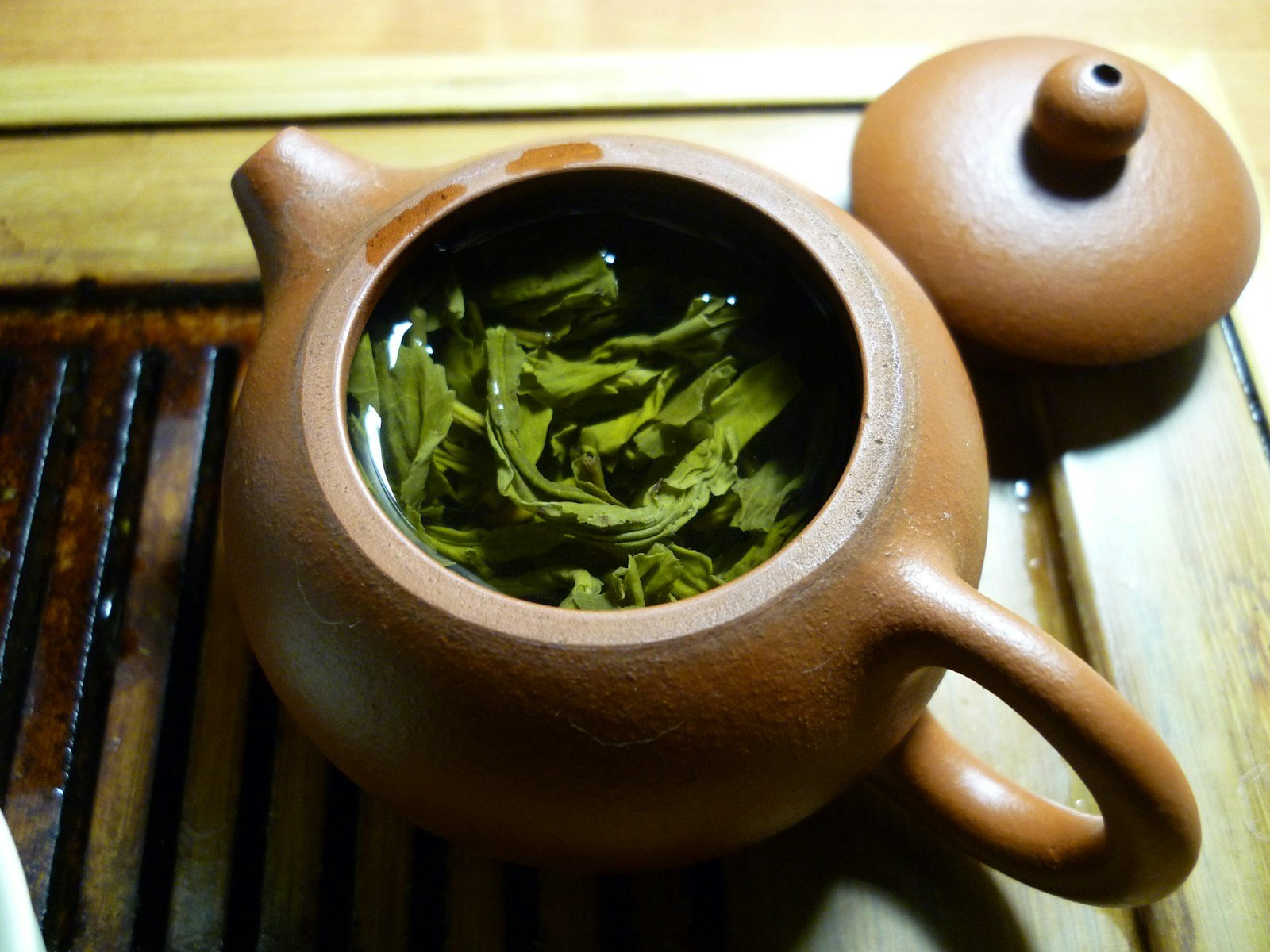
- Green Tea Extract: Rich in polyphenols, green tea extract exhibits potent antioxidant and anti-inflammatory effects, shielding the skin from UV-induced damage.
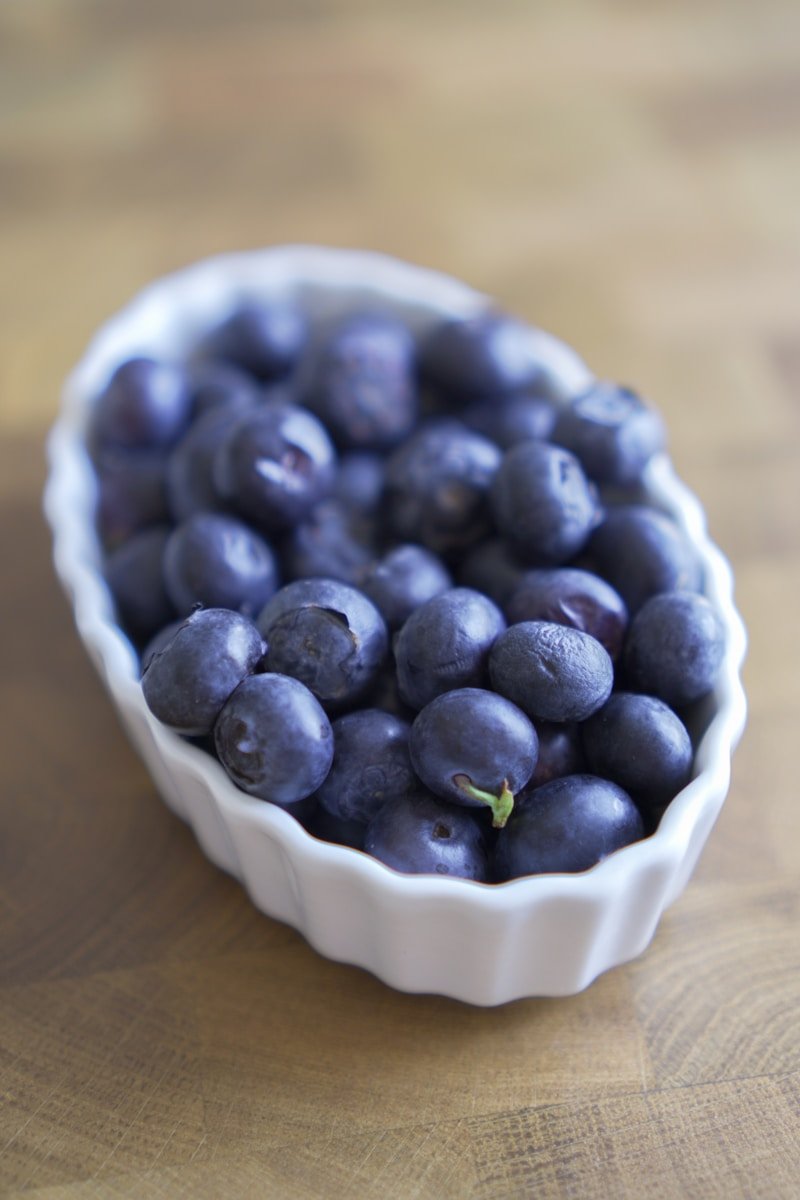
- Resveratrol: Found in grapes and berries, resveratrol has been shown to protect against UVB-induced skin damage and inhibit collagen degradation.
- Coenzyme Q10 (CoQ10): As an essential cofactor in cellular energy production, CoQ10 helps neutralize free radicals and improve skin firmness.
FAQ:
Q: Can antioxidants replace sunscreen?
A: While antioxidants offer significant protection against UV damage, they should not replace sunscreen. Instead, they complement each other, providing comprehensive protection against different types of skin damage.
Conclusion:
Incorporating antioxidants into your skincare routine is a proactive approach to combatting skin aging and UV damage. By neutralizing free radicals, repairing DNA damage, and supporting collagen production, antioxidants help maintain youthful, radiant skin while reducing the risk of sun-induced skin diseases.
Key Takeaways:
- Antioxidants neutralize free radicals and protect skin cells from oxidative damage caused by UV radiation.
- Vitamin C, vitamin E, green tea extract, resveratrol, and CoQ10 are key antioxidants beneficial for skin health.
- Antioxidants should complement, not replace, sunscreen in your skincare regimen for optimal protection against UV damage.
Sources:
- Baumann, Leslie. “Cosmeceutical Critique: Vitamins C & E.” Journal of Drugs in Dermatology, vol. 7, no. 7 Suppl, 2008, pp. s2-s6. Link
- Działo, Magdalena et al. “The Role of Polyphenols in Skin Anti-Aging and Regeneration.” International Journal of Molecular Sciences, vol. 21, no. 6, 2020, 2326. Link
- Katiyar, Santosh K. “Skin photoprotection by green tea: antioxidant and immunomodulatory effects.” Current Drug Targets-Immune, Endocrine & Metabolic Disorders, vol. 3, no. 3, 2003, pp. 234-242. Link
- Svobodová, Alena et al. “Wound Healing Effects of Resveratrol.” Advances in Experimental Medicine and Biology, vol. 824, 2014, pp. 61-86. Link
- Ganceviciene, Ruta et al. “Skin anti-aging strategies.” Dermato-endocrinology, vol. 4, no. 3, 2012, pp. 308-319. Link
Leave a Reply