
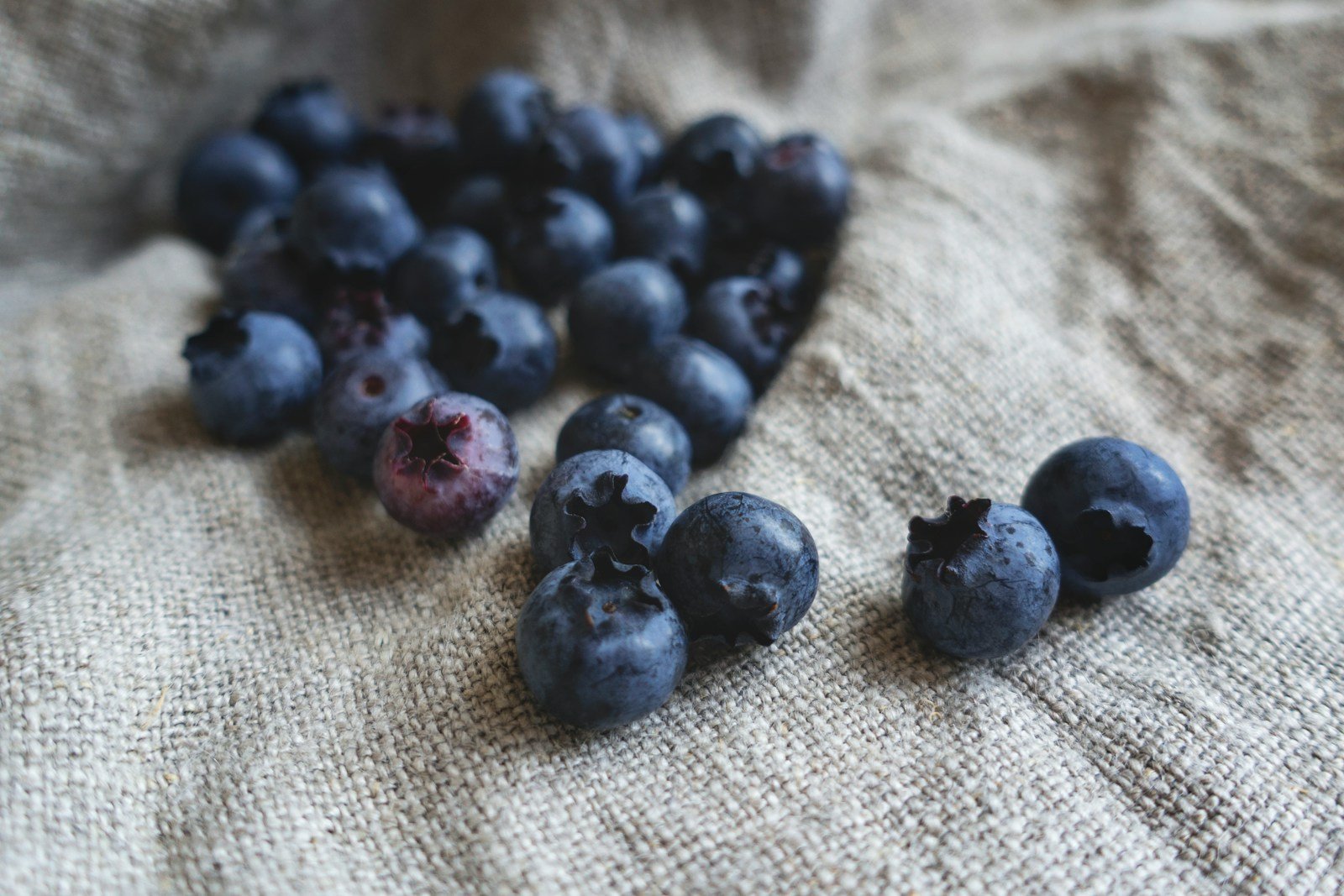
In the realm of health and wellness, the term “antioxidant” has become a buzzword, often associated with vibrant fruits, green tea, and dark chocolate. But what exactly are antioxidants, and why are they revered for their health benefits? Delving into the science behind antioxidants unveils their crucial role in combating oxidative stress, which is linked to various chronic diseases and aging. Let’s embark on a journey to uncover the mysteries and marvels of antioxidants.
Understanding Antioxidants:
Antioxidants are molecules that neutralize harmful free radicals in the body, thus preventing oxidative damage to cells. Free radicals are unstable molecules produced during metabolic processes or in response to environmental factors like pollution, UV radiation, and tobacco smoke. When left unchecked, free radicals can wreak havoc on cellular structures, leading to inflammation, DNA damage, and accelerated aging.
Key Types of Antioxidants:
- Vitamin C: Found abundantly in citrus fruits and leafy greens, vitamin C is a potent water-soluble antioxidant that scavenges free radicals and regenerates other antioxidants in the body.
- Vitamin E: Present in nuts, seeds, and vegetable oils, vitamin E protects cell membranes from oxidative damage and works synergistically with vitamin C.
- Beta-carotene: Found in colorful fruits and vegetables like carrots and sweet potatoes, beta-carotene is a precursor to vitamin A and serves as a powerful antioxidant.
- Flavonoids: Abundant in fruits, vegetables, tea, and red wine, flavonoids possess antioxidant and anti-inflammatory properties, contributing to heart health and overall well-being.
- Polyphenols: Found in foods like berries, cocoa, and green tea, polyphenols exhibit potent antioxidant effects and may help reduce the risk of chronic diseases.
Health Benefits of Antioxidants:
- Reduced Risk of Chronic Diseases: Antioxidants help combat oxidative stress, thereby reducing the risk of chronic conditions such as heart disease, cancer, and neurodegenerative disorders like Alzheimer’s disease.
- Enhanced Immunity: By neutralizing free radicals, antioxidants support immune function, helping the body defend against infections and illnesses.
- Skin Health: Antioxidants like vitamin C and E protect the skin from UV damage, promote collagen synthesis, and contribute to a youthful complexion.
- Brain Health: Certain antioxidants, such as flavonoids and polyphenols, may improve cognitive function and protect against age-related cognitive decline.

FAQs (Frequently Asked Questions):
Q: Can antioxidants be obtained solely through supplements?
A: While supplements can be a convenient way to boost antioxidant intake, it’s best to obtain antioxidants from a balanced diet rich in fruits, vegetables, nuts, and seeds, as they provide a spectrum of nutrients and phytochemicals that work synergistically for optimal health.
Q: Are all antioxidants created equal?
A: Antioxidants vary in their mechanisms of action and effectiveness. Consuming a diverse array of antioxidant-rich foods ensures a broad spectrum of protection against oxidative stress.
Conclusion:
In a world inundated with environmental pollutants and stressors, harnessing the power of antioxidants is essential for maintaining optimal health and well-being. By incorporating antioxidant-rich foods into our diets and adopting healthy lifestyle habits, we can fortify our bodies against the damaging effects of oxidative stress and pave the way for a vibrant, resilient future.
Sources:
- Harvard T.H. Chan School of Public Health. “Antioxidants: Beyond the Hype.” (https://www.hsph.harvard.edu/nutritionsource/antioxidants/)
- National Institutes of Health. “Antioxidants: In Depth.” (https://www.nccih.nih.gov/health/antioxidants-in-depth)
- Mayo Clinic. “Antioxidants: What They Are and What They Do.” (https://www.mayoclinic.org/healthy-lifestyle/nutrition-and-healthy-eating/expert-answers/antioxidants/faq-20058049)
Key Takeaways:
- Antioxidants are molecules that neutralize harmful free radicals in the body, protecting cells from oxidative damage.
- Key types of antioxidants include vitamins C and E, beta-carotene, flavonoids, and polyphenols, found abundantly in fruits, vegetables, nuts, and seeds.
- Antioxidants offer a myriad of health benefits, including reduced risk of chronic diseases, enhanced immunity, improved skin health, and cognitive function.
- While supplements can be beneficial, obtaining antioxidants from a varied diet is optimal for overall health and well-being.
Leave a Reply