
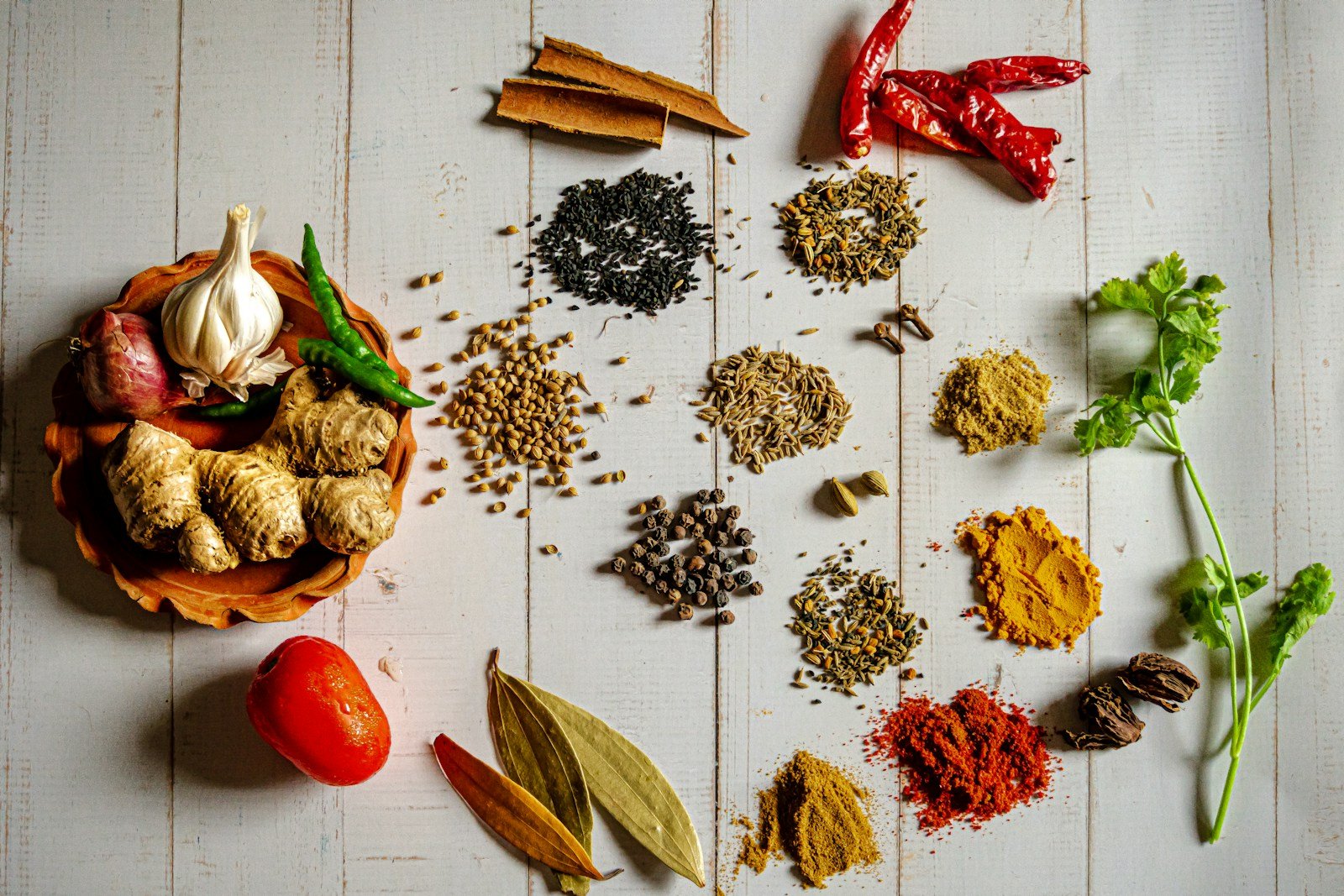
From ancient times to modern-day cuisine, spices and herbs have played a pivotal role in enhancing the flavors of our dishes and enriching our culinary experiences. More than just flavor enhancers, these aromatic ingredients have also been revered for their medicinal properties and numerous health benefits.
The use of spices and herbs has gained renewed attention. Not only do they add depth and complexity to our meals, but they also offer a natural and delicious way to incorporate beneficial compounds into our diets.
According to a study by the World Health Organization, spices and herbs are an excellent source of antioxidants, with some varieties containing higher levels than many fruits and vegetables. Additionally, research has shown that certain spices possess anti-inflammatory, antimicrobial, and even cancer-preventive properties.
Table of Contents
- The History of Spices and Their Culinary Significance
- Spices and Flavor Enhancement
- Spices and Their Health Benefits
- Incorporating Spices into Your Diet
- Additional Resources and Further Reading
- Practical Tips and Actionable Advice
- Conclusion
The History of Spices and Their Culinary Significance
Spices have been an integral part of human history, dating back thousands of years. Ancient civilizations recognized the value of these aromatic plants not only for their culinary applications but also for their medicinal properties and use in religious ceremonies.
The spice trade routes played a significant role in shaping the world as we know it today, with explorers embarking on daring voyages to discover new lands and secure access to these precious commodities. The demand for spices fueled the Age of Exploration and influenced the course of history, cultures, and economies.
In the culinary world, spices have been celebrated for their ability to transform simple dishes into flavorful masterpieces. From the earthy notes of cumin and coriander in Middle Eastern cuisine to the warmth of cinnamon and nutmeg in traditional European baking, spices have become an indispensable part of our culinary heritage.
Spices and Flavor Enhancement
Spices are nature’s seasoning, capable of adding depth, complexity, and character to our dishes. Each spice has its own unique flavor profile, ranging from pungent and earthy to sweet and aromatic. When used skillfully, spices can elevate even the simplest ingredients, transforming them into culinary masterpieces.
One of the most remarkable aspects of spices is their ability to complement and enhance the flavors of other ingredients. For example, the bright and citrusy notes of cumin can accentuate the richness of roasted meats, while the warmth of cinnamon can bring out the natural sweetness in fruits and desserts.
Spices can also play a role in balancing flavors and creating harmonious combinations. The heat of chili peppers can be tempered by the cooling properties of herbs like cilantro or mint, while the bitterness of turmeric can be offset by the sweetness of ginger or honey.
Spices and Their Health Benefits
Beyond their culinary prowess, spices and herbs offer a wealth of health benefits that have been documented through scientific research and traditional medical practices. Many spices are rich in antioxidants, vitamins, and minerals, making them valuable additions to a well-balanced diet.
| Spice/Herb | Health Benefits |
|---|---|
| Turmeric | Anti-inflammatory, may aid in digestion, and potential cancer-preventive properties |
| Cinnamon | May help regulate blood sugar levels and improve insulin sensitivity |
| Ginger | Anti-nausea properties, may aid in reducing inflammation and pain relief |
| Garlic | Antimicrobial, may help lower blood pressure and cholesterol levels |
| Rosemary | Rich in antioxidants, may improve brain function and memory |
It’s important to note that while spices and herbs offer numerous health benefits, they should be consumed as part of a balanced and varied diet. Moderation is key, as excessive consumption of certain spices may have potential side effects or interactions with medications.
Incorporating Spices into Your Diet
Incorporating a variety of spices and herbs into your diet can be a delicious and exciting way to enhance the flavors of your meals while also reaping their potential health benefits. Here are some practical tips for incorporating more spices into your cooking:
1. Experiment with Different Spice Blends
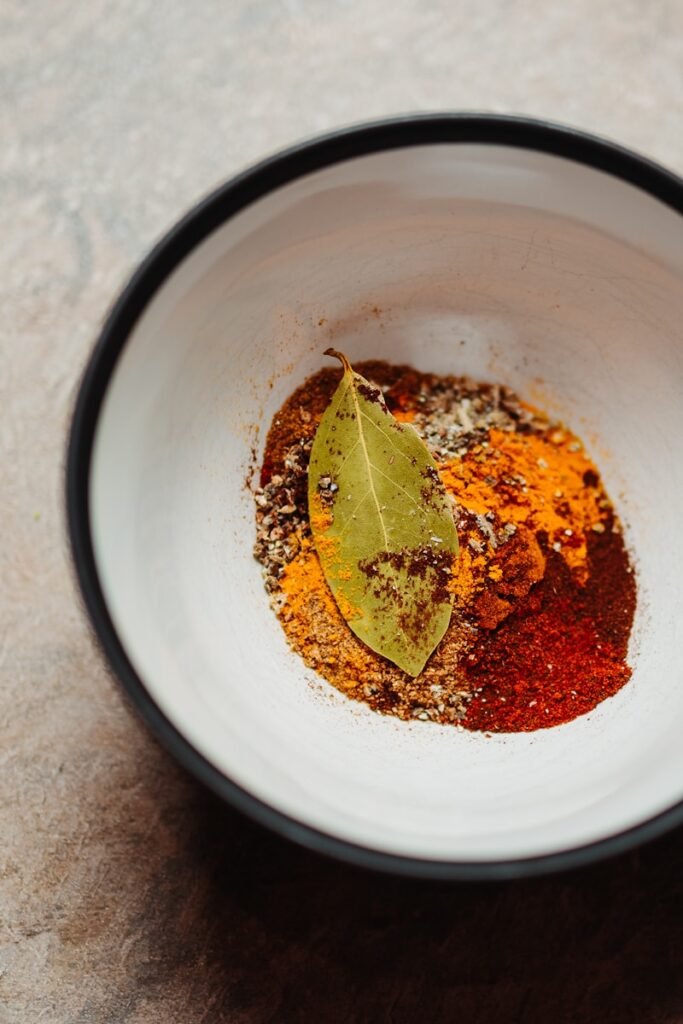
Don’t be afraid to explore different spice blends and combinations. Many cuisines have their own signature spice mixes, such as garam masala in Indian cooking or Cajun seasoning in Southern American cuisine. Experimenting with these blends can add depth and complexity to your dishes.
2. Use Whole Spices and Grind Them Fresh
Whenever possible, opt for whole spices and grind them fresh before cooking. This helps to release their full aroma and flavor, making your dishes more fragrant and flavorful.
3. Toast Spices to Enhance Their Flavors
Toasting whole spices in a dry pan before grinding or cooking can intensify their flavors and release their essential oils, resulting in a more robust and aromatic dish.
4. Incorporate Spices into Marinades and Rubs
Spices can be used to create flavorful marinades and rubs for meats, vegetables, and even fruits. The longer the ingredients marinate, the more the flavors will infuse and penetrate the dish.
5. Experiment with Spices in Sweet and Savory Dishes
Don’t limit the use of spices to just savory dishes. Many spices, such as cinnamon, nutmeg, and cardamom, can add warmth and depth to sweet treats like cakes, pies, and other desserts.
Additional Resources and Further Reading
For those interested in exploring the world of spices and herbs further, here are some recommended resources:
- Phytochemicals in Spices and Their Impact on Human Health – A scientific review of the health benefits of spices and their bioactive compounds.
Frequently Asked Questions:
Q: Can spices be used as a substitute for salt?
A: Yes, many spices can be used as a flavorful alternative to salt, especially for those following a low-sodium diet. Herbs like basil, oregano, and thyme can add depth and complexity to dishes without the need for excessive salt.
Q: How long do spices stay fresh?
A: The shelf life of spices can vary depending on the type and storage conditions. As a general rule, whole spices tend to stay fresh longer than ground spices. Proper storage in airtight containers, away from heat, light, and moisture, can help extend their shelf life.
Practical Tips and Actionable Advice
To help you incorporate more spices and herbs into your culinary adventures, here are some practical tips and actionable advice:
1. Start a Spice Collection
Begin building a collection of different spices and herbs, both whole and ground. Invest in high-quality spices from reputable sources to ensure maximum flavor and potency.
2. Label and Date Your Spices
When storing spices, be sure to label them with their names and purchase dates. This will help you keep track of their freshness and rotate your stock accordingly.
3. Experiment with Small Amounts First
When trying out new spices or blends, start with small amounts and adjust the quantities to suit your taste preferences. Overusing certain spices can overwhelm a dish, so it’s best to start conservatively and build up from there.
4. Pair Spices with Complementary Ingredients
Explore which spices work well with specific ingredients or cuisines. For example, cumin and coriander are often used in Indian and Middle Eastern dishes, while oregano and basil are common in Italian cuisine.
5. Try Growing Your Own Herbs
Consider growing your own herb garden, even if it’s just a small windowsill setup. Having fresh herbs on hand can add an extra layer of flavor and fragrance to your dishes.
Conclusion
Spices and herbs are more than just flavor enhancers; they are a gateway to a world of culinary exploration, cultural diversity, and potential health benefits. By embracing these aromatic ingredients, we can elevate our dishes to new heights, while also nourishing our bodies with a wealth of beneficial compounds.
Throughout this comprehensive guide, we have delved into the rich history and significance of spices, explored their flavor-enhancing properties, and uncovered their numerous health benefits. We have also provided practical tips and strategies for incorporating more spices and herbs into your cooking, ensuring that every bite is bursting with flavor and nutritional value.
Remember, the journey of spice exploration is a lifelong pursuit, filled with endless possibilities and flavor combinations waiting to be discovered. Embrace your curiosity, experiment with new spices and blends, and let your taste buds guide you on a culinary adventure that transcends borders and traditions.
So, go ahead, spice up your life – one fragrant dish at a time. Unlock the flavors of the world, savor the health benefits, and embark on a journey that will tantalize your senses and nourish your body and soul.
Are you ready to embrace the world of spices and herbs? Let the adventure begin!
Leave a Reply