
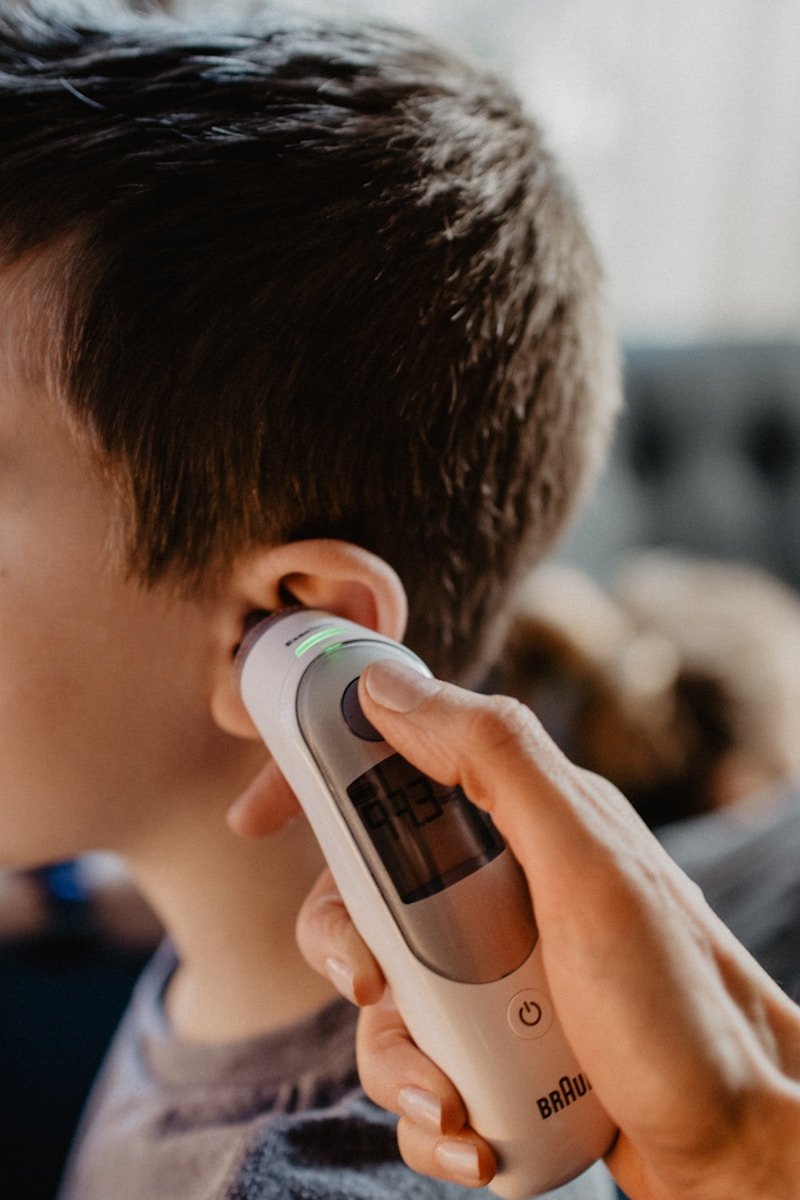
Our body temperature is a delicate balance, regulated by a complex system within the brain and influenced by various internal and external factors. Maintaining an optimal body temperature is crucial for our overall health and well-being. When our temperature deviates from its normal range, it can have significant impacts on our physical and cognitive functions.
Understanding how to regulate body temperature is essential for athletes, individuals working in extreme environments, and those with certain medical conditions. By learning to increase or decrease body temperature as needed, we can enhance our performance, improve comfort levels, and potentially alleviate certain symptoms associated with temperature imbalances.
Statistics:
- The average normal body temperature for adults is 98.6°F (37°C), although it can vary slightly from person to person.
- Fever, a temporary increase in body temperature, is a common symptom of various illnesses and infections, affecting millions of people annually.
- Hypothermia, a dangerous drop in body temperature, can occur in cold environments or due to certain medical conditions, and accounts for thousands of deaths each year.
Table of Contents
Our body temperature is regulated by a complex system located in the hypothalamus, a region of the brain responsible for maintaining homeostasis. The hypothalamus acts as a thermostat, constantly monitoring and adjusting our body temperature to keep it within a narrow range. When the body temperature rises above its set point, the hypothalamus initiates cooling mechanisms, such as sweating and vasodilation (widening of blood vessels near the skin’s surface). Conversely, when the body temperature drops below the set point, the hypothalamus triggers warming mechanisms, such as shivering and vasoconstriction (narrowing of blood vessels near the skin’s surface). This intricate thermoregulatory system is influenced by various factors, including metabolic rate, hormones, and the environment. Understanding these mechanisms is crucial for effectively managing body temperature and maintaining overall health. There are several strategies that can be employed to intentionally increase body temperature. These techniques are often used by athletes or individuals working in cold environments to improve performance and prevent hypothermia. It’s important to note that excessive increases in body temperature can be dangerous and should be monitored carefully. Consult with a medical professional if you have any concerns or underlying health conditions. In situations where the body temperature is elevated, such as during a fever or heat exposure, it may be necessary to implement strategies to lower it. These techniques can help alleviate discomfort and prevent potential complications associated with excessive heat. It’s crucial to monitor body temperature closely and seek medical attention if it remains persistently high or if symptoms worsen, as this could indicate an underlying condition that requires professional treatment. Abnormal body temperature can be a symptom of various medical conditions, and in some cases, regulating body temperature is an essential part of treatment and management. For individuals with certain medical conditions, maintaining a stable body temperature within an optimal range can be essential for managing symptoms and preventing complications. Consulting with a healthcare professional is recommended for personalized guidance and treatment plans. Body temperature plays a significant role in athletic performance, as it can impact various physiological processes and influence an athlete’s ability to train and compete effectively. During physical activity, the body generates heat through increased metabolic activity and muscle contractions. This rise in body temperature can have both positive and negative effects on performance, depending on the intensity and duration of the activity, as well as environmental factors. Moderate increases in body temperature can enhance muscle function, enzyme activity, and oxygen delivery to tissues, potentially improving endurance and power output. However, excessive increases in body temperature can lead to dehydration, fatigue, and impaired cognitive function, negatively impacting performance and increasing the risk of heat-related illnesses. Athletes often employ various strategies to regulate their body temperature during training and competitions, such as staying well-hydrated, wearing appropriate clothing, and using cooling techniques like ice vests or cold water immersion. Monitoring body temperature and making adjustments based on individual needs and environmental conditions can help optimize performance and prevent heat-related issues. External environmental factors can significantly influence our body temperature and the ability to regulate it effectively. Understanding these factors is crucial for adapting and implementing appropriate strategies to maintain thermal comfort and prevent potential health risks. Adapting to different environmental conditions through proper clothing, hydration, and acclimatization can help mitigate the impact of these factors on body temperature regulation and overall health and well-being.In-depth Exploration of Each Key Point
The Mechanisms of Body Temperature Regulation
Strategies for Increasing Body Temperature
Techniques for Decreasing Body Temperature
Body Temperature and Medical Conditions
Body Temperature and Athletic Performance
Environmental Factors Affecting Body Temperature

For those interested in exploring the topic of body temperature regulation further, the following resources are recommended: Q: Can stress or emotions affect body temperature? A: Yes, stress and strong emotions can influence body temperature. During periods of stress or intense emotional states, the body may temporarily increase or decrease its temperature due to changes in hormone levels and autonomic nervous system activity. Q: Is it possible to train the body to better regulate temperature? A: To some extent, yes. The process of acclimatization, which involves gradually exposing the body to different environmental conditions, can help improve the body’s ability to regulate temperature more efficiently in those conditions over time.Additional Resources and Further Reading
Frequently Asked Questions
Keeping your body temperature within a healthy range is essential for overall well-being and performance. Here are some practical tips to help you maintain an optimal body temperature: For athletes or individuals engaged in physically demanding activities, regulating body temperature can be crucial for enhancing performance and preventing heat-related issues. Here are some actionable tips:Practical Tips and Actionable Advice
Maintaining Optimal Body Temperature
Optimizing Body Temperature for Performance
Regulating body temperature is a complex process that involves intricate physiological mechanisms and environmental factors. Maintaining an optimal body temperature is crucial for overall health, well-being, and performance, whether you’re an athlete, a worker in extreme conditions, or someone managing a medical condition that affects thermoregulation. By understanding the strategies for increasing or decreasing body temperature, you can take control of your thermal comfort and potentially alleviate symptoms or enhance your physical capabilities. From staying hydrated and dressing appropriately to employing cooling or warming techniques, there are various practical tips and actionable advice to help you master your body temperature regulation. Remember, seeking medical guidance is essential if you experience persistent or severe issues with body temperature regulation, as it could be an indicator of an underlying condition requiring professional treatment. Embrace the knowledge and strategies presented in this comprehensive guide, and take the necessary steps to maintain a healthy, balanced body temperature – a key to thriving in any environment or circumstance.Conclusion
Leave a Reply