
Introduction
The human body is a remarkable system, with each organ playing a crucial role in sustaining life. Vital organs, in particular, are the unsung heroes that keep us alive and functioning. From the ever-beating heart to the filter-like kidneys, these organs work tirelessly to maintain our health and well-being. Understanding the significance of vital organs is essential for appreciating the intricate workings of our bodies and the importance of taking care of them.
According to the World Health Organization (WHO), organ failure is a leading cause of death worldwide, highlighting the critical importance of maintaining organ health. By exploring the functions and significance of vital organs, we can gain a deeper appreciation for the human body and the measures we can take to protect these essential components of our existence.
Table of Contents
The Heart: The Beating Powerhouse
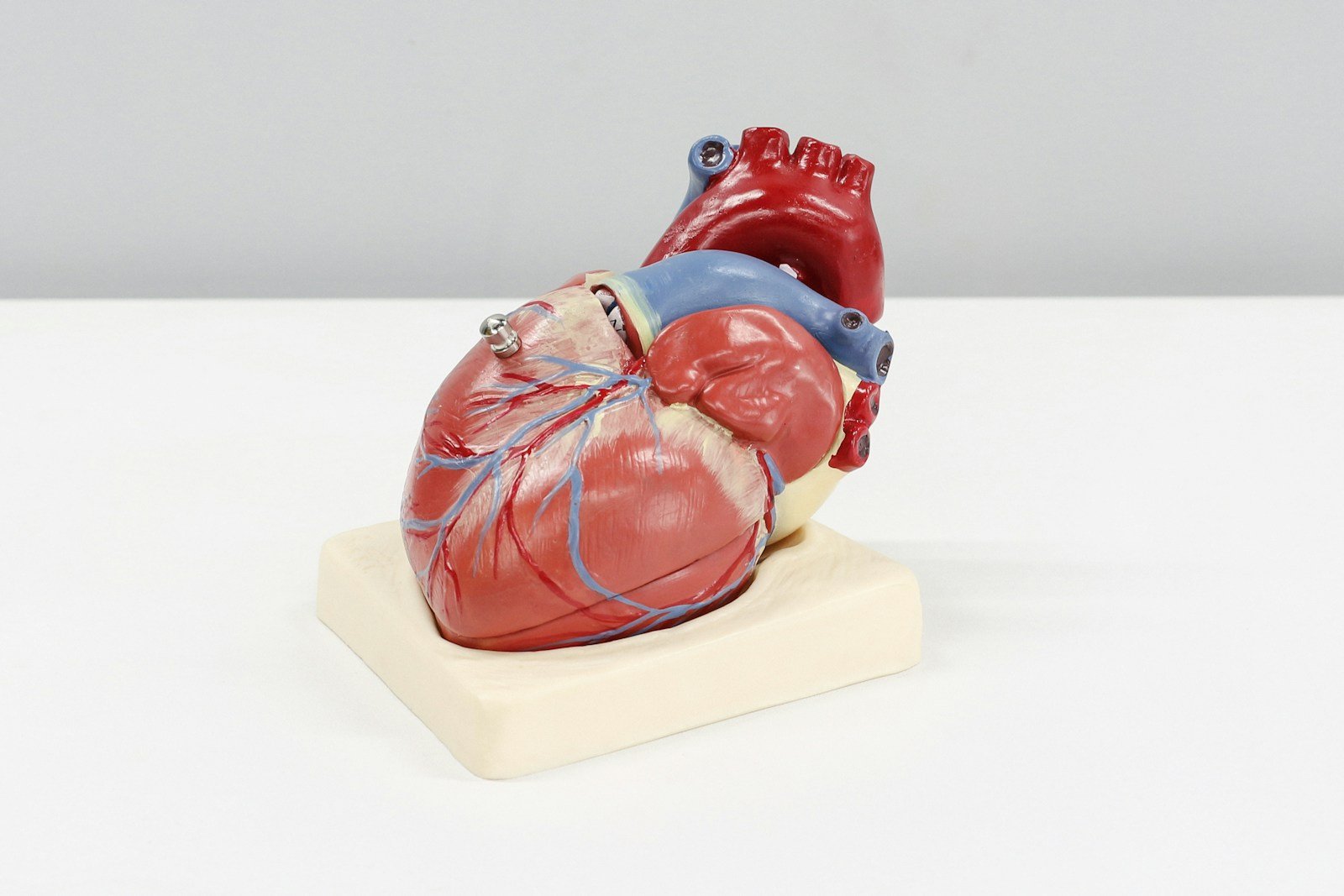
The heart is undoubtedly one of the most vital organs in the human body. This remarkable muscle, about the size of a fist, pumps blood continuously throughout our lives, delivering oxygen and nutrients to every cell in our bodies. Without the heart’s tireless work, life would be impossible.
The heart is divided into four chambers: two atria (upper chambers) and two ventricles (lower chambers). The right side of the heart receives deoxygenated blood from the body and pumps it to the lungs, while the left side receives oxygenated blood from the lungs and pumps it to the rest of the body.
Maintaining a healthy heart is crucial, as cardiovascular diseases, such as heart attacks and strokes, are among the leading causes of death worldwide. Regular exercise, a balanced diet, and avoiding harmful habits like smoking can significantly reduce the risk of heart-related problems.
The Lungs: The Organs of Respiration
Breathing is a fundamental aspect of life, and the lungs are the organs responsible for this vital process. These spongy, air-filled organs are located in the chest cavity and are essential for the exchange of oxygen and carbon dioxide between the body and the environment.
The lungs are divided into lobes, and each lobe is further divided into smaller segments called bronchi and bronchioles. These intricate structures facilitate the transfer of oxygen from the inhaled air into the bloodstream and the removal of carbon dioxide from the body.
Maintaining healthy lungs is crucial, as lung diseases such as asthma, chronic obstructive pulmonary disease (COPD), and lung cancer can have severe consequences. Avoiding exposure to air pollutants, quitting smoking, and engaging in regular physical activity can help protect and maintain lung health.
The Kidneys: Nature’s Filters
The kidneys are often referred to as the body’s filtration system, and for good reason. These bean-shaped organs play a vital role in removing waste products and excess water from the blood, regulating blood pressure, and producing hormones that control red blood cell production and calcium absorption.
Each kidney contains up to a million tiny filtering units called nephrons, which work together to filter out waste products and excess water, producing urine. The kidneys also help maintain the delicate balance of essential minerals and nutrients in the body.
Kidney diseases, such as chronic kidney disease and kidney stones, can have severe consequences if left untreated. Maintaining a healthy lifestyle, staying hydrated, and avoiding excessive consumption of certain medications and supplements can help protect kidney function.
The Liver: The Metabolic Maestro
The liver is often referred to as the body’s metabolic powerhouse, and for good reason. This remarkable organ plays a vital role in regulating metabolism, detoxifying harmful substances, and producing bile, which aids in the digestion of fats.
Located in the upper right part of the abdomen, the liver is responsible for a wide range of essential functions, including:
- Breaking down and metabolizing proteins, fats, and carbohydrates
- Storing essential vitamins and minerals
- Producing clotting factors for blood
- Detoxifying harmful substances, such as alcohol and drugs
Maintaining a healthy liver is crucial, as liver diseases such as hepatitis, cirrhosis, and liver cancer can have severe consequences. Avoiding excessive alcohol consumption, maintaining a balanced diet, and staying physically active can help protect liver health.
The Brain: The Command Center
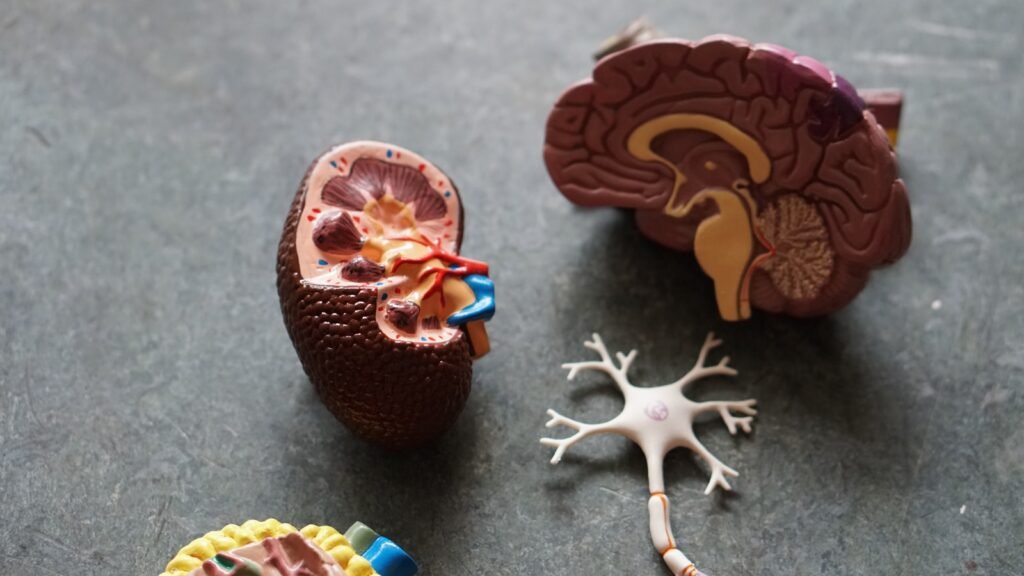
The brain is often referred to as the body’s command center, and for good reason. This remarkable organ is responsible for controlling and coordinating nearly every aspect of our lives, from movement and sensation to thought and emotion.
The brain is divided into several regions, each with its own specialized functions. The cerebrum, for example, is responsible for higher cognitive functions such as reasoning, learning, and memory, while the cerebellum plays a crucial role in movement and balance.
Maintaining brain health is essential, as neurological disorders such as Alzheimer’s disease, Parkinson’s disease, and stroke can have devastating consequences. Engaging in regular physical and mental exercise, maintaining a healthy diet, and getting sufficient sleep can help protect brain function and reduce the risk of cognitive decline.
Additional Resources and Further Reading
For those interested in exploring vital organs in greater depth, here are some recommended resources:
- National Heart, Lung, and Blood Institute – Comprehensive information on heart, lung, and blood health.
- National Kidney Foundation – Resources and information on kidney health and disease.
- Canadian Liver Foundation – Information on liver health, disease prevention, and support resources.
- Brain Injury Association of America – Resources and information on brain injuries and neurological disorders.
- “The Human Body Book” by Richard Walker – A comprehensive guide to understanding the human body and its vital organs.
Additionally, consider consulting with medical professionals, such as primary care physicians, specialists, and registered dietitians, for personalized guidance on maintaining the health of your vital organs.
Practical Tips and Actionable Advice</here are some practical tips and actionable advice for maintaining the health of your vital organs:
- Adopt a Balanced Diet: A diet rich in fruits, vegetables, whole grains, lean proteins, and healthy fats can provide essential nutrients for organ health and overall well-being.
- Stay Physically Active: Regular exercise not only benefits your heart and lungs but also supports the health of other vital organs, such as the kidneys and liver.
- Maintain a Healthy Weight: Excess weight can strain your organs and increase the risk of conditions like heart disease, type 2 diabetes, and certain cancers.
- Stay Hydrated: Drinking plenty of water and limiting sugary and caffeinated beverages can support kidney function and overall organ health.
- Manage Stress: Chronic stress can have a negative impact on organ health, so it’s essential to find healthy ways to manage stress, such as through meditation, yoga, or counseling.
- Avoid Harmful Substances: Limiting alcohol consumption, quitting smoking, and avoiding recreational drugs can protect your vital organs from damage and promote overall health.
- Follow Recommended Screening Guidelines: Regular check-ups and preventive screenings can help detect potential organ issues early, allowing for timely intervention and treatment.
Remember, taking proactive steps to maintain the health of your vital organs can significantly improve your overall quality of life and longevity.
Conclusion
The vital organs are the unsung heroes of our bodies, working tirelessly to keep us alive and thriving. From the beating heart to the filtering kidneys, each organ plays a crucial role in sustaining life and maintaining our overall health and well-being.
By understanding the functions and importance of these vital organs, we can gain a deeper appreciation for the intricate workings of our bodies and the necessity of taking proactive steps to protect them. Remember, small lifestyle changes can have a profound impact on the health of your vital organs and your overall quality of life.
As we conclude this exploration of vital organs, let us remember to cherish and nurture these remarkable components of our existence. Embrace a balanced lifestyle, seek regular medical check-ups, and remain vigilant in protecting the health of your vital organs, for they are the foundation upon which our lives are built.
Leave a Reply