
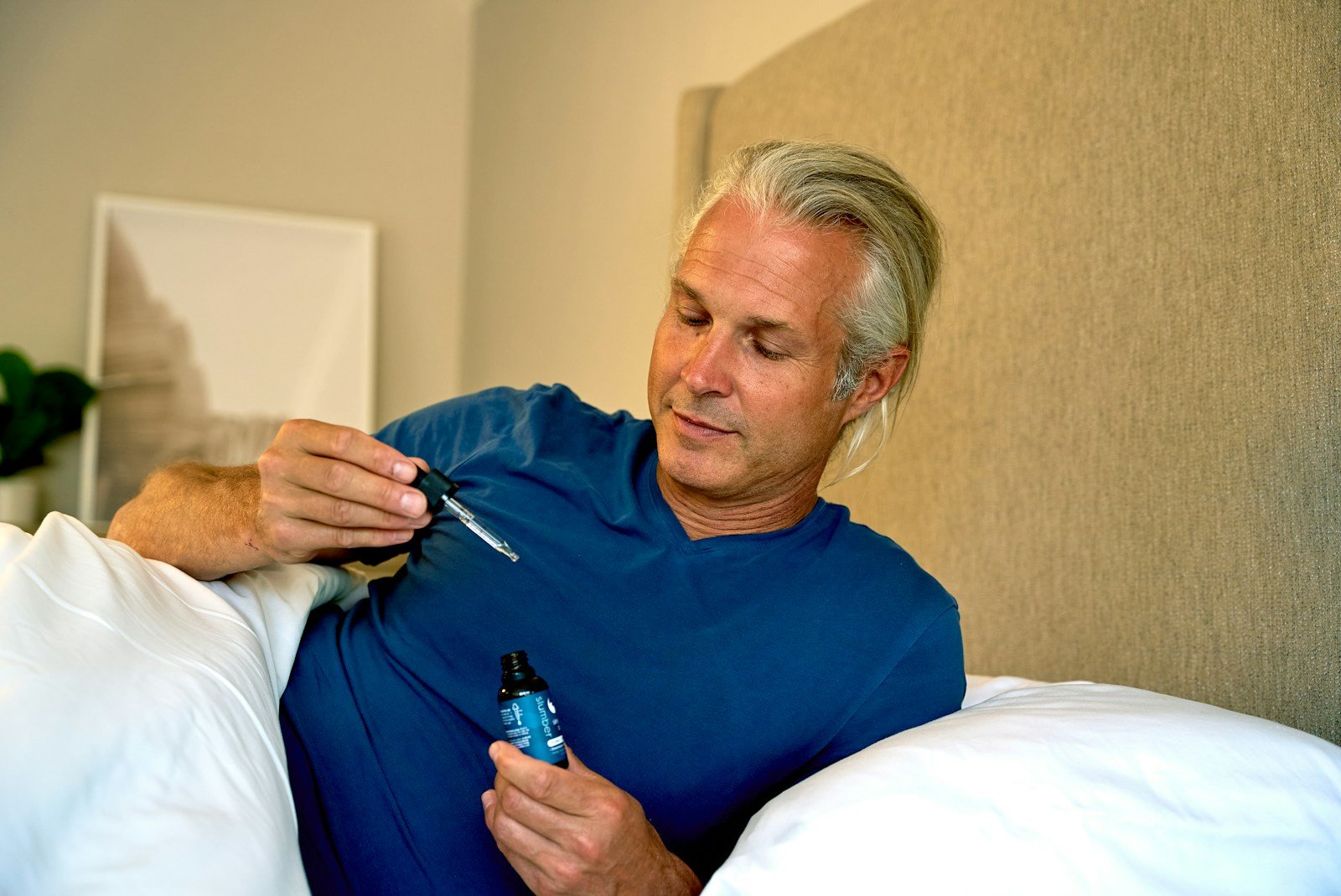
Sleep is a fundamental aspect of our well-being, yet many individuals struggle with sleep disorders that can significantly impact their daily lives. From insomnia and sleep apnea to narcolepsy and restless leg syndrome, these conditions can leave individuals feeling exhausted, irritable, and unable to function at their best. The consequences of untreated sleep disorders can be far-reaching, affecting physical and mental health, work performance, and overall quality of life.
The importance of addressing sleep disorders cannot be overstated. According to the American Sleep Association, 50-70 million adults in the United States suffer from sleep disorders, and the economic cost of sleep-related issues is estimated to be over $100 billion annually. Furthermore, the Centers for Disease Control and Prevention (CDC) reports that one in three adults in the United States does not get enough sleep on a regular basis.
Key Points to Cover
This comprehensive article will explore the world of sleep disorders, their impact, and the importance of seeking professional help. It will cover the following key points:
- Understanding Sleep Disorders
- Types of Sleep Disorders
- Consequences of Untreated Sleep Disorders
- Diagnosing Sleep Disorders
- Treatment Options for Sleep Disorders
- The Role of Sleep Specialists and Sleep Clinics
- Lifestyle Changes and Self-Care Strategies
Understanding Sleep Disorders
Sleep disorders refer to a range of conditions that disrupt the normal sleep patterns and can affect the quality, timing, and duration of sleep. These disorders can be caused by various factors, including underlying medical conditions, psychological factors, lifestyle habits, and environmental influences.
Sleep disorders can manifest in different ways, such as difficulty falling asleep, frequent awakenings during the night, excessive daytime sleepiness, or abnormal sleep behaviors. They can be chronic or temporary, and their severity can vary from mild to severe.
Types of Sleep Disorders
There are several types of sleep disorders, each with its own set of symptoms and characteristics. Some of the most common sleep disorders include:
- Insomnia: Characterized by difficulty falling asleep, staying asleep, or experiencing non-restorative sleep, leading to daytime fatigue and impaired functioning.
- Sleep Apnea: A potentially serious disorder characterized by repeated episodes of breathing cessation or shallow breathing during sleep, often accompanied by loud snoring.
- Narcolepsy: A chronic neurological disorder characterized by excessive daytime sleepiness, sudden sleep attacks, and sleep paralysis, among other symptoms.
- Restless Leg Syndrome (RLS): A condition characterized by an irresistible urge to move the legs, often accompanied by uncomfortable sensations, which can disrupt sleep.
- Circadian Rhythm Sleep-Wake Disorders: Conditions that involve disruptions in the body’s natural sleep-wake cycle, leading to difficulty sleeping or staying awake at desired times.
- Parasomnias: A group of sleep disorders characterized by abnormal behaviors or experiences during sleep, such as sleepwalking, nightmares, or sleep paralysis.
Consequences of Untreated Sleep Disorders
Ignoring or neglecting sleep disorders can have severe consequences on various aspects of an individual’s life. Some of the potential consequences include:
- Physical Health Issues: Sleep disorders have been linked to an increased risk of chronic diseases such as obesity, diabetes, cardiovascular problems, and weakened immune function.
- Mental Health Challenges: Lack of quality sleep can contribute to or exacerbate mental health conditions such as depression, anxiety, and cognitive impairment.
- Decreased Productivity and Performance: Sleep deprivation can lead to decreased concentration, poor decision-making, and decreased productivity at work or school.
- Increased Risk of Accidents: Fatigue and sleepiness can increase the risk of accidents, particularly for individuals operating vehicles or machinery.
- Strained Relationships: Sleep disorders can strain personal relationships due to irritability, mood changes, and decreased intimacy.
- Reduced Quality of Life: Chronic sleep deprivation can significantly impact an individual’s overall well-being, happiness, and ability to enjoy life.
Diagnosing Sleep Disorders
Diagnosing sleep disorders typically involves a combination of methods, including:
- Sleep History and Symptom Evaluation: A healthcare professional will gather information about the individual’s sleep patterns, symptoms, medical history, and lifestyle factors that may contribute to the sleep disorder.
- Sleep Diary or Actigraphy: Keeping a sleep diary or wearing an actigraphy device (a wristwatch-like device that tracks movement) can help monitor sleep patterns and provide valuable data for diagnosis.
- Sleep Studies: Polysomnography (PSG) and other sleep studies are conducted in a sleep laboratory or at home to monitor various physiological parameters during sleep, such as brain activity, eye movements, heart rate, and breathing patterns.
- Medical Examinations and Tests: Additional medical examinations and tests may be performed to rule out underlying medical conditions that could contribute to the sleep disorder.
Treatment Options for Sleep Disorders
Effective treatment for sleep disorders often involves a combination of approaches, depending on the specific condition and its underlying causes. Some common treatment options include:
- Cognitive-Behavioral Therapy for Insomnia (CBT-I): A structured program that helps individuals identify and change thoughts and behaviors that contribute to insomnia.
- Continuous Positive Airway Pressure (CPAP): A machine that delivers air pressure through a mask to keep the airway open during sleep, commonly used to treat sleep apnea.
- Medication: Prescription medications, such as sleeping pills or wake-promoting drugs, may be prescribed to help manage certain sleep disorders, but they should be used under medical supervision and for short-term use only.
- Oral Appliances: Dental devices that reposition the jaw or tongue to improve airflow and prevent obstruction during sleep, often used for sleep apnea or snoring.
- Light Therapy: Exposure to specific wavelengths of light at specific times can help regulate the body’s circadian rhythms and improve sleep-wake cycles.
- Surgery: In severe cases, surgical procedures may be recommended to treat conditions like sleep apnea by addressing structural issues in the airway.

The Role of Sleep Specialists and Sleep Clinics
Sleep specialists, such as sleep medicine physicians, sleep psychologists, and sleep technologists, play a crucial role in diagnosing and treating sleep disorders. These professionals have specialized training and expertise in the field of sleep medicine and can provide comprehensive evaluations, treatment plans, and ongoing management of sleep disorders.
Sleep clinics or sleep centers are facilities dedicated to the diagnosis and treatment of sleep disorders. These clinics are equipped with state-of-the-art sleep laboratories and staffed by multidisciplinary teams of sleep specialists, including physicians, psychologists, respiratory therapists, and sleep technologists.
Seeking help from a sleep specialist or sleep clinic can be beneficial for individuals experiencing persistent or severe sleep disturbances. These professionals can conduct thorough evaluations, provide accurate diagnoses, and develop personalized treatment plans tailored to the individual’s needs.
Lifestyle Changes and Self-Care Strategies
While professional medical intervention is often necessary for managing sleep disorders, incorporating lifestyle changes and self-care strategies can also play a crucial role in improving sleep quality and overall well-being. Some effective strategies include:
- Establishing a Sleep Routine: Maintaining consistent sleep and wake times, even on weekends, can help regulate the body’s natural circadian rhythms.
- Creating a Sleep-Conducive Environment: Ensuring a cool, dark, and quiet sleep environment can promote better sleep quality.
- Exercise and Physical Activity: Regular exercise can help reduce stress, promote better sleep, and improve overall health, but it’s important to avoid vigorous exercise close to bedtime.
- Mindfulness and Relaxation Techniques: Practices like meditation, deep breathing exercises, and progressive muscle relaxation can help calm the mind and reduce anxiety, which can interfere with sleep.
- Limiting Caffeine and Alcohol: Avoiding caffeine and excessive alcohol consumption, especially in the hours leading up to bedtime, can improve sleep quality.
- Establishing a Bedtime Routine: Creating a calming routine before bed, such as taking a warm bath, reading a book, or practicing light stretching, can signal the body that it’s time to wind down.
- Managing Stress: Implementing stress management techniques, such as time management strategies, seeking support from loved ones, or practicing mindfulness, can help reduce the impact of stress on sleep.
Additional Resources and Further Reading
For those seeking more information on sleep disorders and their management, the following resources may be helpful:
- American Academy of Sleep Medicine (AASM): A professional society dedicated to advancing sleep medicine and promoting better sleep health. Their website offers educational resources, sleep disorder information, and a directory of accredited sleep centers.
- National Sleep Foundation: A nonprofit organization that provides comprehensive information on sleep health, sleep disorders, and sleep-related topics for both professionals and the general public.
- Centers for Disease Control and Prevention (CDC) – Sleep and Sleep Disorders: The CDC’s website offers data, resources, and information on the importance of sleep and the impact of sleep disorders on public health.
- American Sleep Association (ASA): A nonprofit organization dedicated to promoting better sleep health through education, advocacy, and research. Their website provides sleep disorder information, tips for better sleep, and resources for healthcare professionals.
- Sleep Research Society (SRS): A professional society dedicated to advancing sleep and circadian science research. Their website offers resources for researchers, clinicians, and the public.
Practical Tips and Actionable Advice
If you’re struggling with sleep difficulties or suspect you may have a sleep disorder, here are some practical tips and actionable advice:
- Keep a Sleep Diary: Record your sleep patterns, daytime symptoms, and any potential factors that may be impacting your sleep. This information can be valuable for healthcare professionals in assessing your condition.
- Consult Your Primary Care Provider: Discuss your sleep concerns with your primary care physician, who can evaluate your symptoms, order necessary tests, and potentially refer you to a sleep specialist if needed.
- Find a Sleep Specialist or Sleep Clinic: If your primary care provider recommends further evaluation or treatment, seek out a board-certified sleep specialist or an accredited sleep clinic in your area.
- Be Prepared for Sleep Studies: If a sleep study is recommended, follow the instructions provided by the sleep clinic to ensure accurate results. This may include avoiding naps, caffeine, or certain medications before the study.
- Communicate Openly: During your appointments, be open and honest about your symptoms, medical history, and any concerns you may have. Providing accurate and detailed information will help your healthcare team develop an effective treatment plan.
- Follow Treatment Recommendations: Once a treatment plan is established, it’s essential to follow the recommendations consistently and keep open communication with your healthcare team about any challenges or side effects you may experience.
- Incorporate Lifestyle Changes: In addition to medical treatment, make lifestyle changes that promote better sleep hygiene, such as maintaining a consistent sleep schedule, creating a sleep-conducive environment, and practicing relaxation techniques.
- Be Patient and Persistent: Managing sleep disorders can be a process, and it may take time to find the right treatment approach or combination of strategies. Be patient, persistent, and stay committed to improving your sleep and overall well-being.
By seeking professional help and implementing practical strategies, individuals can take control of their sleep disorders and experience the numerous benefits of quality sleep.
Conclusion
Sleep disorders can significantly impact an individual’s physical and mental well-being, leading to a wide range of consequences if left untreated. From insomnia and sleep apnea to narcolepsy and restless leg syndrome, these conditions disrupt the natural sleep-wake cycle and can have far-reaching effects on daily functioning, productivity, and overall quality of life.
While sleep disorders can be challenging to manage, seeking professional help from sleep specialists and sleep clinics is crucial in obtaining an accurate diagnosis and developing an effective treatment plan. These professionals have the expertise and resources to evaluate sleep disturbances, identify underlying causes, and provide personalized treatment strategies tailored to each individual’s needs.
In addition to medical interventions, lifestyle changes and self-care strategies can play a vital role in managing sleep disorders and promoting better sleep hygiene. Establishing a consistent sleep routine, creating a sleep-conducive environment, practicing relaxation techniques, and managing stress can all contribute to improved sleep quality and overall well-being.
Remember, sleep is essential for physical and mental health, and ignoring sleep disorders can have severe consequences. By taking proactive steps to address sleep concerns and seeking professional help when needed, individuals can regain control over their sleep and experience the numerous benefits of quality rest.
If you or a loved one is struggling with sleep difficulties, don’t hesitate to reach out to a healthcare professional. Prioritizing sleep health is an investment in your overall well-being and quality of life.
Leave a Reply